
Last updated November 20, 2026
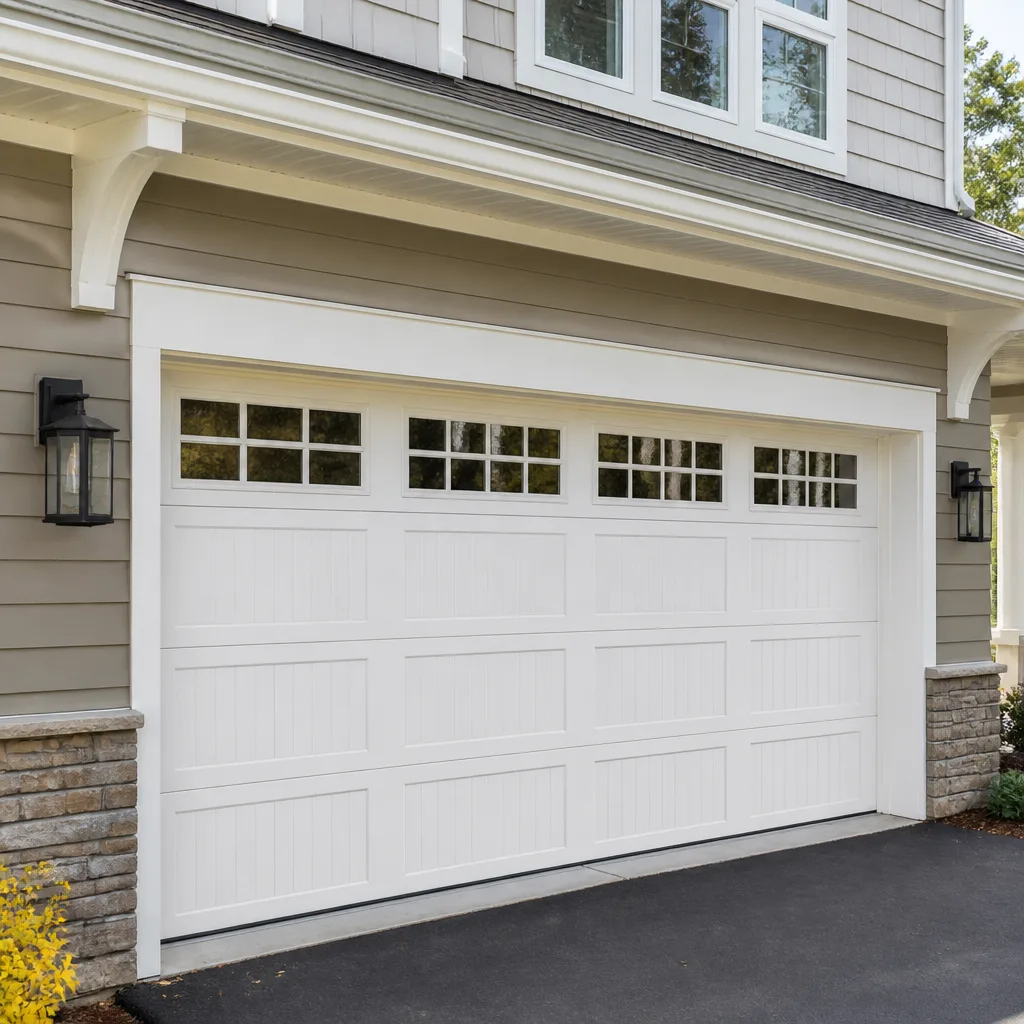
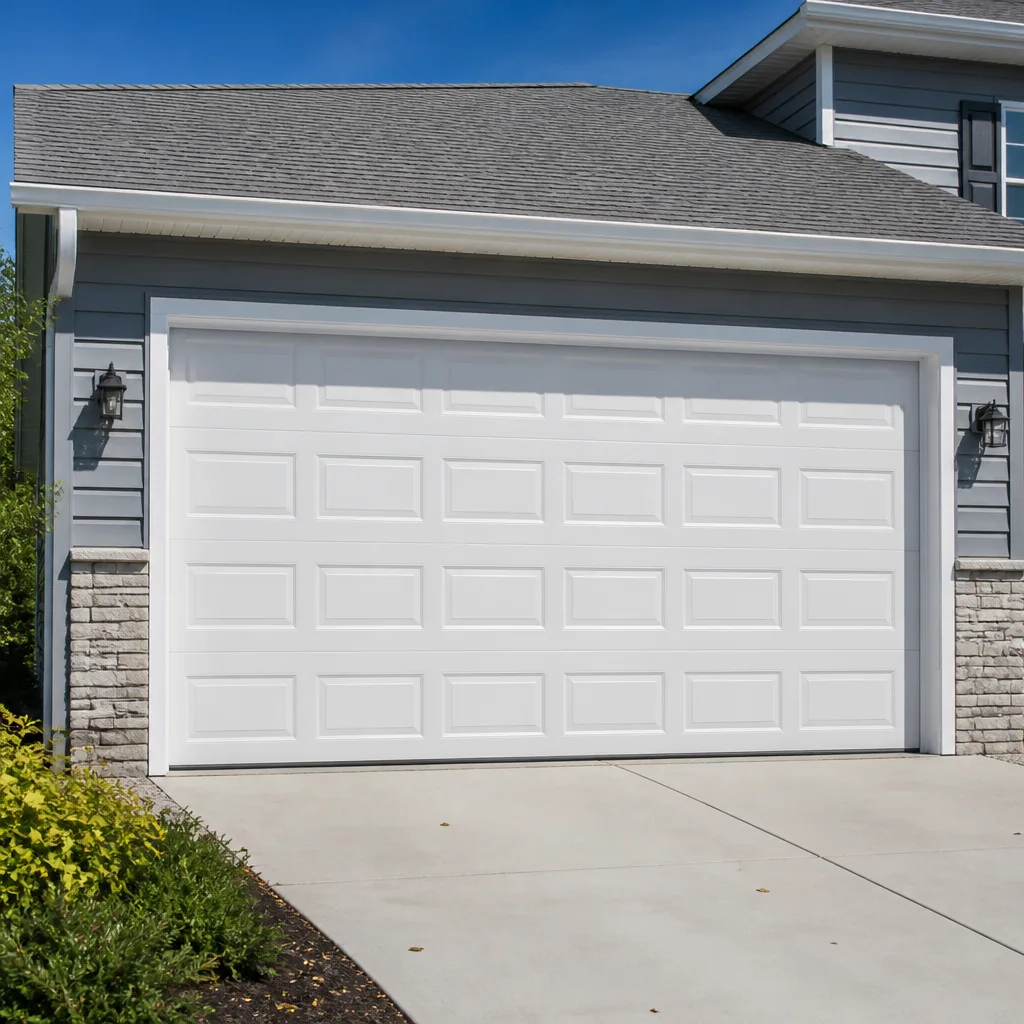 Raised-panel steel
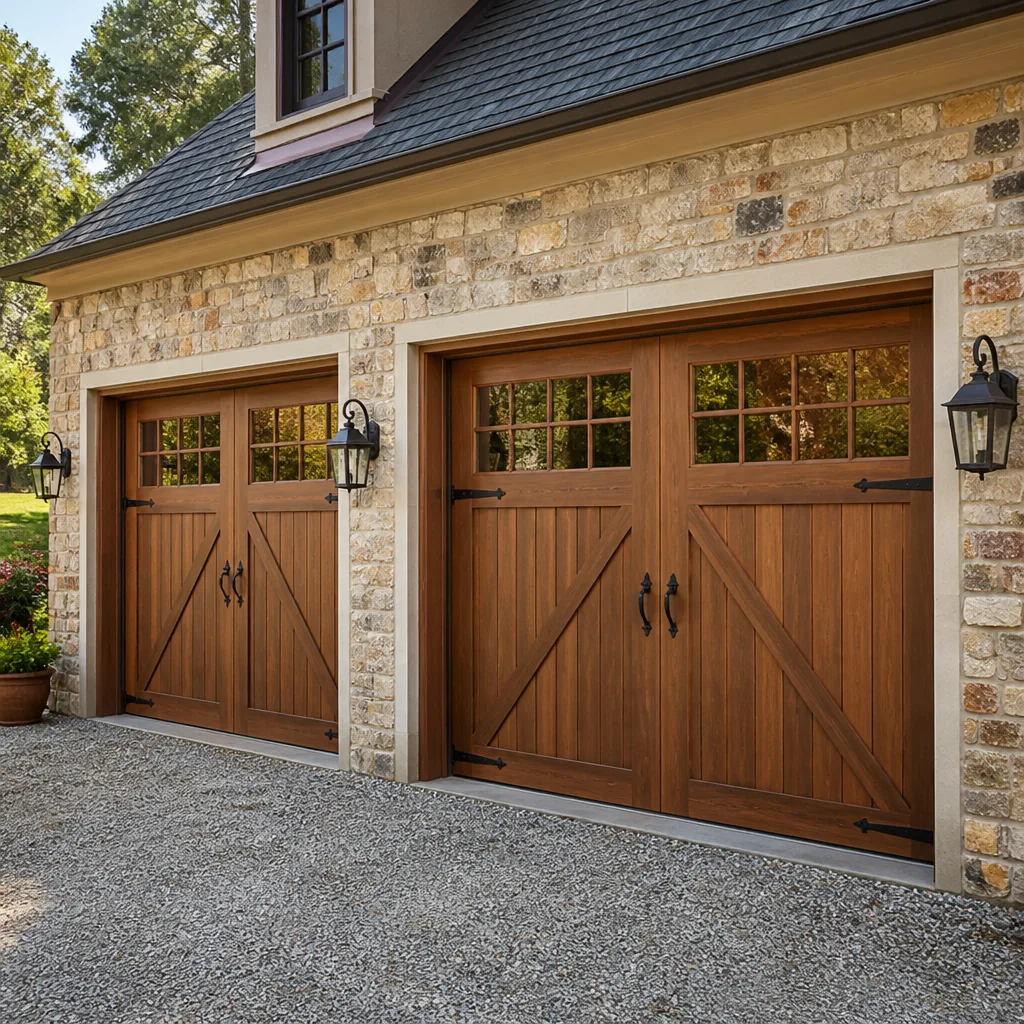 Carriage house
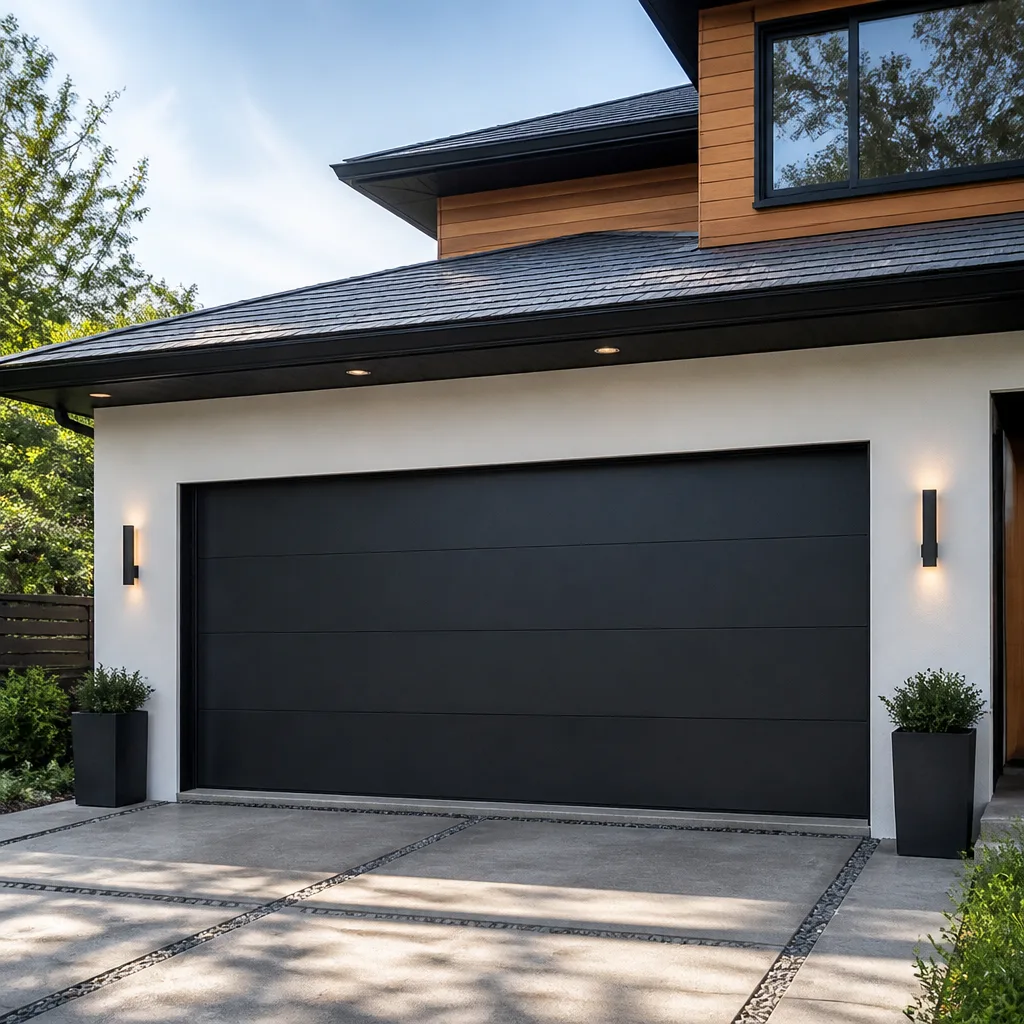 Modern flush
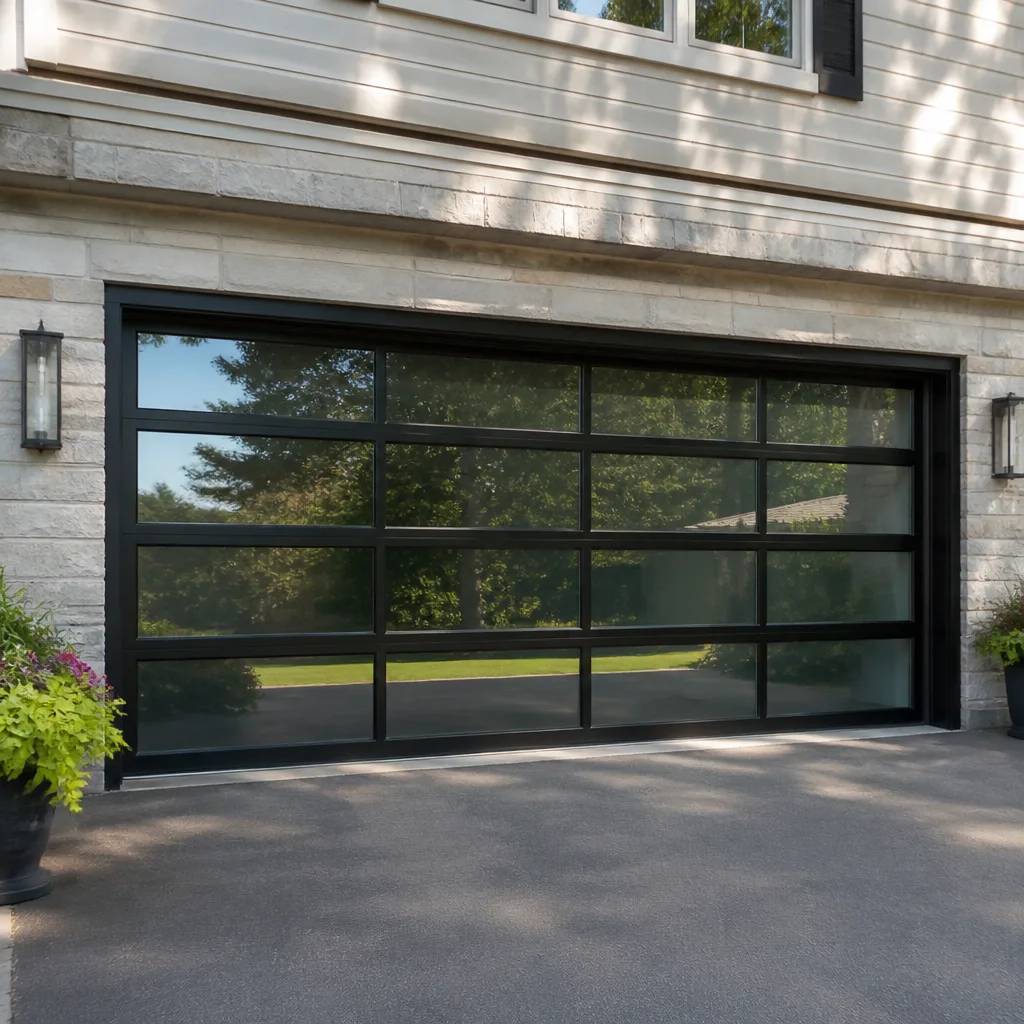 Full-view glass
 LiftMaster openers
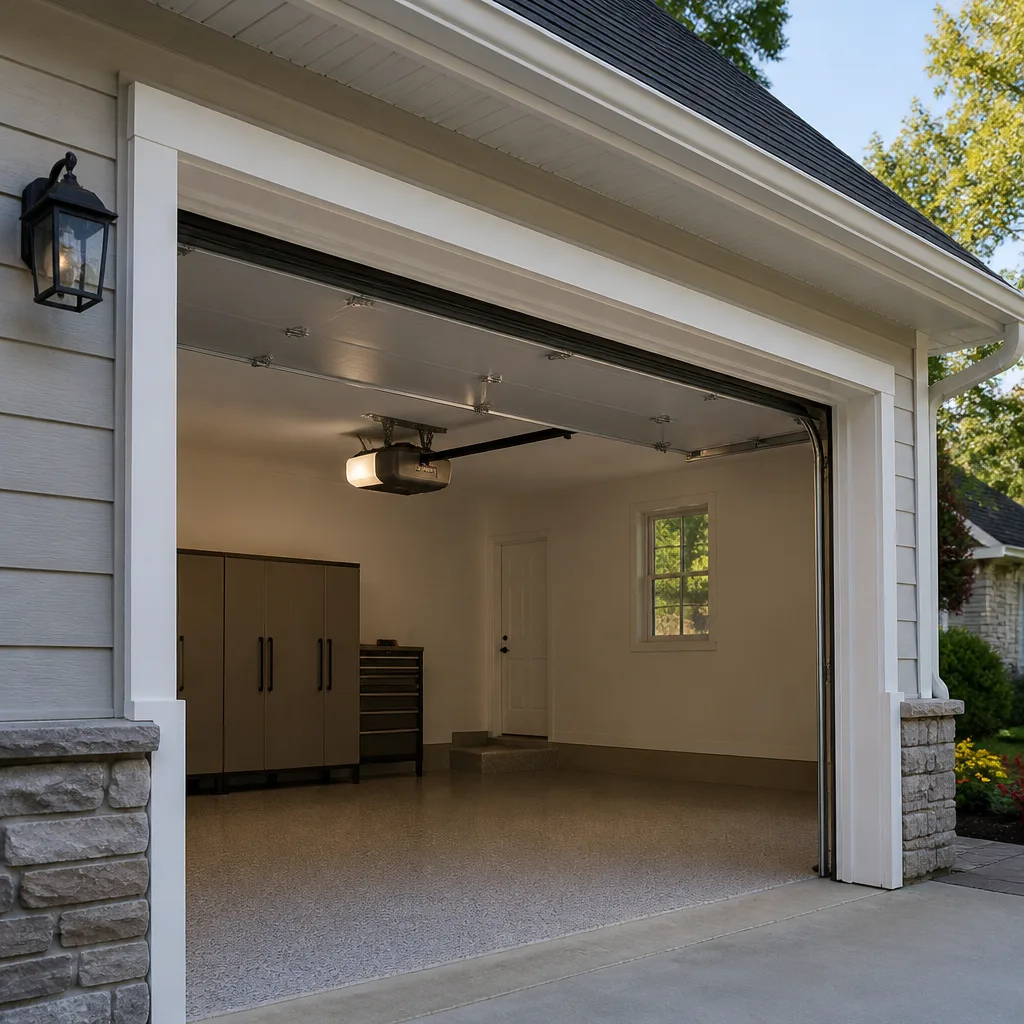 Chamberlain openers
Full 25-point door and opener safety check with every visit - springs, cables, rollers, tracks, and your LiftMaster or Chamberlain opener included
You get a price before we start. It does not change when the pro arrives.
Get your free estimateGarage Door Repair Maintenance Checklist for Conroe Homeowners
Most garage doors don’t break without warning. They give you months of small signals – a rattle that wasn’t there before, a door that hesitates before it lifts, a remote that needs a second press – and most homeowners miss every one of them until a spring lets go. The counterintuitive part is that a garage door is the largest moving piece of equipment attached to your house, and it’s often the least inspected. This guide gives you a working checklist for what you can safely check yourself in Conroe, what you should never touch, and how to know when a small symptom points to a repair that won’t fix itself.
Quick Answer
A safe garage door maintenance routine covers four things: a monthly visual and sound check of the door and hardware, a monthly balance and safety-reverse test of the opener, a twice-a-year lubrication of hinges and rollers, and leaving anything involving springs, cables, or electrical wiring to a trained technician. In Conroe’s humid, hot climate, lubrication and hardware checks matter more than in dry regions because moisture and heat push moving parts harder. If your door is noisy, unbalanced, or struggles to close, it’s time to call.
Styles & brands we work with
- Raised-panel steel
- Carriage house
- Modern flush
- Full-view glass
- LiftMaster openers
- Chamberlain openers
Table of Contents
- Monthly Walk-Around: What to Check in Five Minutes
- The Balance Test Every Homeowner Should Run
- Opener Checks for LiftMaster, Chamberlain, and Genie Systems
- Why the Safety-Reverse Test Matters Most of All
- Lubrication in Conroe’s Heat and Humidity
- Weatherstripping and the Conroe Climate
- A Seasonal Calendar for Conroe Homeowners
- What You Should Never Touch: Springs and Cables
Monthly Walk-Around: What to Check in Five Minutes
A garage door has a fixed set of wear points, and a five-minute walk-around once a month catches the serious ones early. You’re looking for change – anything that wasn’t there last month. In our experience, a homeowner who runs this check routinely catches a worn roller or a loose hinge bracket long before it causes a jam.
Here’s what to look at, and it’s all visual or audible, no tools required:
- Hinges and brackets. Look for rust stains, hairline cracks at the mounting holes, and screws that have worked loose. Loose brackets allow the door to sag.
- Rollers. The wheels that track inside the rails should spin freely and look round. A chipped or flat-spotted roller makes a grinding sound.
- Cables. Look, don’t touch. Frayed strands sticking out from a cable are a sign the cable is near its end.
- Springs. A spring with an obvious gap or a coil that hangs loose is broken. Leave it alone and call.
- Weather seal at the bottom. A cracked or hardened bottom seal lets in water and pests, and it’s a five-minute check.
- Door panels. Dents or misalignment after a bump are worth catching before the panel drags on the track.
Walk the full perimeter of the door while it’s closed. Then listen while it runs. Squeals, rattles, and thumps each point to something different, and being able to describe the noise accurately helps whoever you call diagnose it the first time.
The Balance Test Every Homeowner Should Run
A garage door in good working order is balanced – it’s not being lifted by the opener so much as guided, with the springs doing most of the work. If your door has an opener straining to lift it, the opener will eventually fail. The good news is you can test balance yourself, safely, in under two minutes.
Here’s the sequence:
- Unplug the opener or pull the release cord so the door is disconnected from the motor.
- Lift the door with both hands to about waist height and then to shoulder height.
- Hold it in place for a moment. A balanced door should hold its position. It shouldn’t fall on its own, and it shouldn’t spring upward.
- Lower it slowly and feel for resistance. A door that falls fast or takes real effort to lift is out of balance.
- Reconnect the opener once you’re finished.
Out of balance usually means a spring is losing tension or a cable is stretched. Do not adjust the spring to compensate. Springs are under extreme tension and this is exactly the work we keep in the hands of trained technicians. If your door fails the balance test, call us for a quick diagnosis.
Opener Checks for LiftMaster, Chamberlain, and Genie Systems
An opener that runs is not the same as an opener that’s working correctly. Your opener is worth checking monthly because it’s the piece most likely to fail silently – a small fault in a motor or a wear in a gear will eventually show up as a door that won’t open at all. If your opener is a LiftMaster, Chamberlain, or Genie, we know that system and where it typically fails.
Three things to check each month:
- Remote and wall control response. Press the remote from a normal distance. A remote that needs to be pressed twice or only works from right in front of the door can indicate a weak battery, a bad receiver, or an interference issue.
- Force settings and travel. The door should close smoothly without slowing down near the floor or straining at the top. A strain is a sign the door needs a balance check or the opener is nearing its limit.
- Smart-home features on newer LiftMaster and Chamberlain units. If you use the app or a connected hub, check that the door is reporting accurately. A door that shows “open” when it’s closed is telling you the position sensor needs attention.
If the door reverses on its own mid-run, or if it opens and closes repeatedly with no command, stop using it and call. Those are signs the travel limits or logic board need attention, and continued use can damage the motor.
Why the Safety-Reverse Test Matters Most of All
Every garage door opener made in the last several decades should reverse when it meets an obstruction during closing. If that system fails, anything under the door – a child, a pet, a bike – will be crushed. That’s why the federal standard that requires this function exists, and why this test deserves a spot on the checklist every month.
Here’s how to run the test:
- With the door open and the door in the middle of its travel, place a solid object under the door – a 2×4 on edge or a similar object. Never use a person or pet.
- Press the wall control to close. The door should contact the object and reverse back to the open position.
- If it hesitates or stops without reversing, stop using the opener and call a technician. The force settings or the safety sensors need adjustment.
- Also check the sensors at the bottom of the rails – wave a hand between them mid-close. The door should stop and reverse.
We treat a failed safety-reverse as a same-day concern, not a next-week appointment. Call (877) 362-9173. We answer 24/7.
Lubrication in Conroe’s Heat and Humidity
Lubrication is the single cheapest thing you can do for a garage door, and in Conroe it matters more than in most places. The combination of summer heat and year-round humidity wears down lubricant faster than you’d expect, and the metal-on-metal rubbing that follows is what wears rollers, hinges, and tracks out early.
Here’s what to lubricate, and what to skip:
- Do lubricate: hinges (the pivot points, not the face), roller bearings (a drop at the base of each roller stem), and the torsion spring coils (a light spray, not a grease pack).
- Do not lubricate: the track surface. Grease on the track attracts dirt and dust, and the track is designed to stay dry so the rollers roll rather than slide. Wipe the track clean with a dry cloth and leave it dry.
- Do not lubricate: the opener rail or the opener motor. Those are enclosed units, and adding lubricant can attract grit into the gear housing.
Twice a year is the standard – we suggest when the seasons change in spring and fall. Use a proper garage door lubricant, not WD-40, which is a solvent and not a long-term lubricant. If a roller squeaks even after you’ve lubricated it, the roller is worn and should be replaced.
Weatherstripping and the Conroe Climate
Conroe summers are long and humid, and Conroe winters are mild enough that most doors never get a hard freeze. That has one practical consequence: weatherstripping takes the brunt of the wear in the summer, not the winter, because the heat and moisture break it down slowly rather than a single cold snap splitting it fast.
Here’s how to check yours:
- Bottom seal. Squeeze it. It should be soft and pliable, not hard, cracked, or flattened. A floppy, split bottom seal allows water to pool and air to leak into the garage.
- Perimeter seal. Check the sides and top of the door opening where the door meets the frame. A gap you can see light through is a leak.
- Panel seals on sectional doors. These wear thin and crack over time, especially on doors that face the afternoon sun.
Replacing a bottom seal is genuinely a homeowner-level job on many doors, but it’s also a job that reveals other problems – a misaligned door will chew through a new seal fast, and a worn weatherstrip can be hiding a track problem underneath. If the seal isn’t the only issue, have the whole door checked at the same time. If you’re unsure, our team can look at it along with everything else on this list.
A Seasonal Calendar for Conroe Homeowners
Here’s a simple year-round schedule that fits Conroe weather. It’s not a substitute for the monthly check, but it puts the bigger jobs on the calendar so you don’t have to remember them in the middle of summer.
- Monthly, all year: walk-around, balance test, safety-reverse test, remote response check.
- Spring (March through May): full lubrication, weatherstrip inspection, track clean and wipe-down after the last of the rainy season.
- Summer (June through September): mid-year check of the opener force settings and sensors, since the heat stresses motors. Listen for new sounds.
- Fall (October and November): second lubrication, full hardware inspection, tighten any loose bracket screws, check rollers.
- Winter (December through February): since Conroe winters are mild, this is the time to schedule an annual professional tune-up if you haven’t done one. Catch spring tension loss before it becomes a snapped spring.
If your door is approaching the end of its service life – usually after many years of daily use – a professional inspection is worth the visit. The list above keeps the door healthy throughout its life; a professional tune-up tells you whether it’s time for a full replacement.
What You Should Never Touch: Springs and Cables
Springs and cables do the heavy lifting on your garage door, and they’re under extreme tension at all times. Adjusting, replacing, or even looking too closely at a live spring is one of the most dangerous things a homeowner can attempt. This isn’t a DIY repair, and it’s exactly what we specialize in.
Here’s what to leave to a trained technician:
- Any spring adjustment – torsion or extension. A live torsion spring carries enough stored energy to injure or kill.
- Any spring replacement – even when a spring is visibly broken, the remaining spring on a paired system can be under load.
- Cable replacement or adjustment – a snapped or frayed cable can whip and cause serious injury.
- Track realignment if the door is off its track after an impact.
- Anything involving the opener’s electrical wiring.
Spring repair is a named service for us because it’s the repair most general handymen won’t take on. It needs the right tools, a trained eye, and a clear head. If you suspect a spring problem, stop operating the door and call us. Springs are under extreme tension – this isn’t a DIY repair, and it’s exactly what we specialize in. For most other jobs on this checklist, a knowledgeable homeowner can safely do the work. For springs and cables, please don’t.
Common Mistakes to Avoid
- Greasing the track. It feels intuitive – the rollers roll on the track, so grease the track. But grease attracts dirt into the rollers and turns them into sliding blocks that wear fast. Keep the track clean and dry.
- WD-40 as a lubricant. It’s a solvent and penetrant, not a long-term lubricant. In Conroe humidity, the thin film it leaves evaporates fast and leaves metal exposed.
- Adjusting the springs to fix balance. This is the most dangerous mistake on the list. If the balance test fails, the correct fix is a professional spring assessment, not a quarter-turn of tension.
- Ignoring a noisy door. A door that squeals or groans is telling you a roller or hinge is dry. Left alone, that dry roller wears through the track.
- Skipping the safety-reverse test. It’s the single most important monthly check, and it takes under a minute.
- Forcing a stuck door. If the door won’t open or close, forcing it – by hand or by holding the remote – turns a small repair into a big one. Unplug the opener and call.
- Replacing the opener to fix a door problem. A door that won’t open is often a door problem, not an opener problem. Replacing the opener first wastes money and leaves the real issue in place.
See the difference
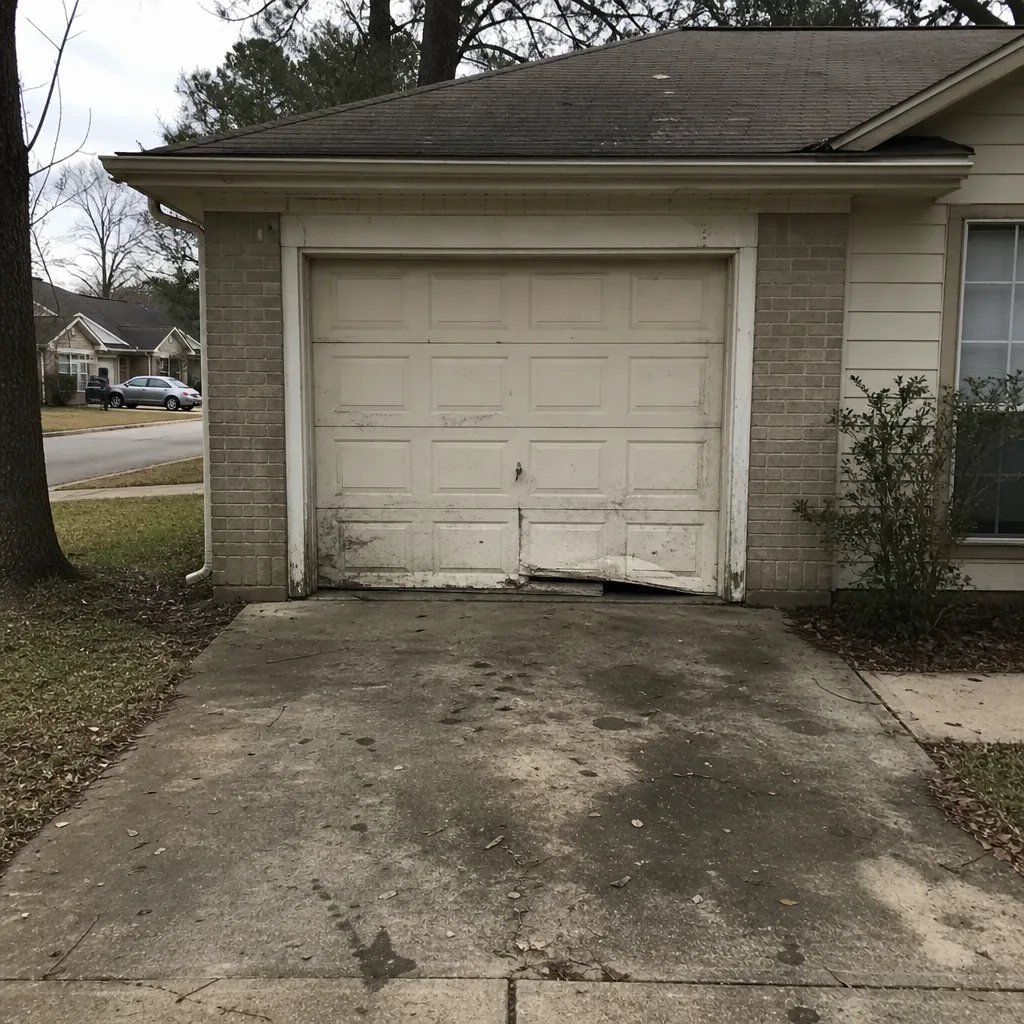 Before
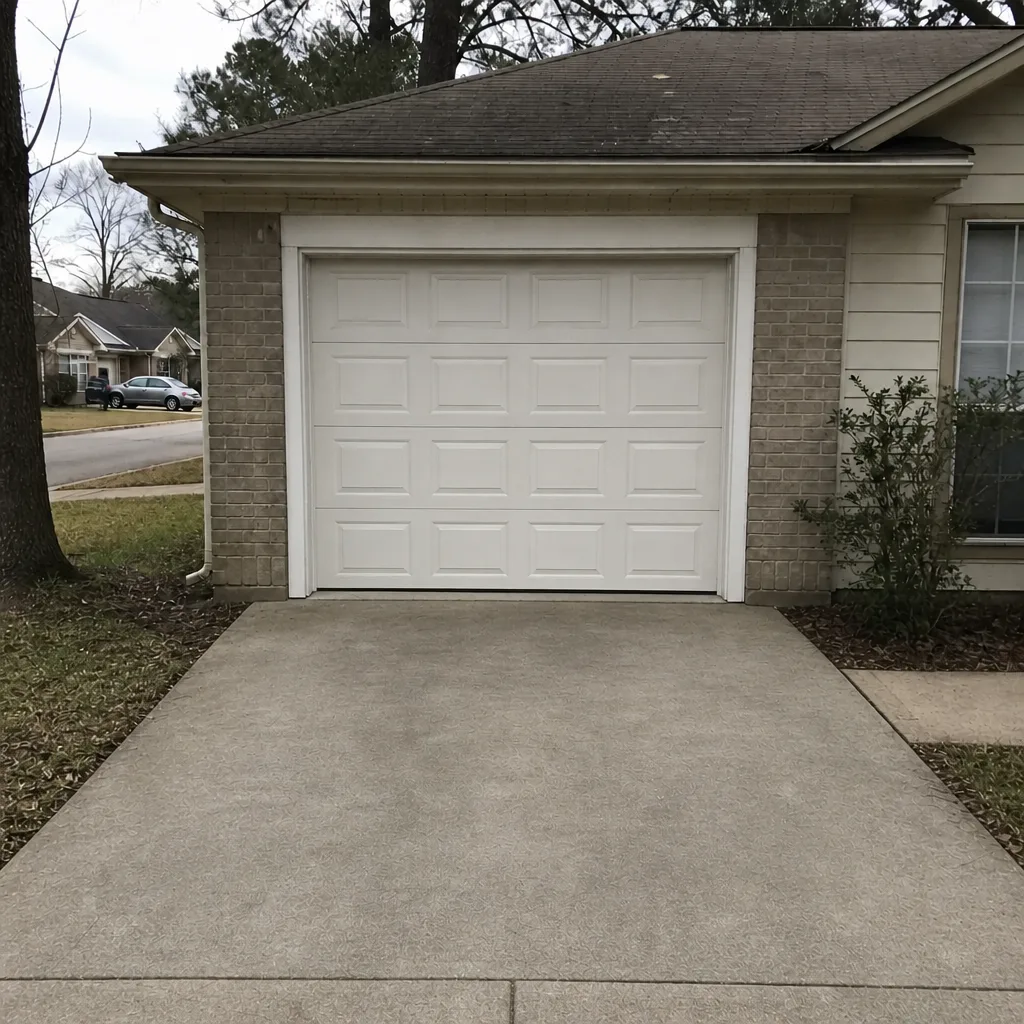 After
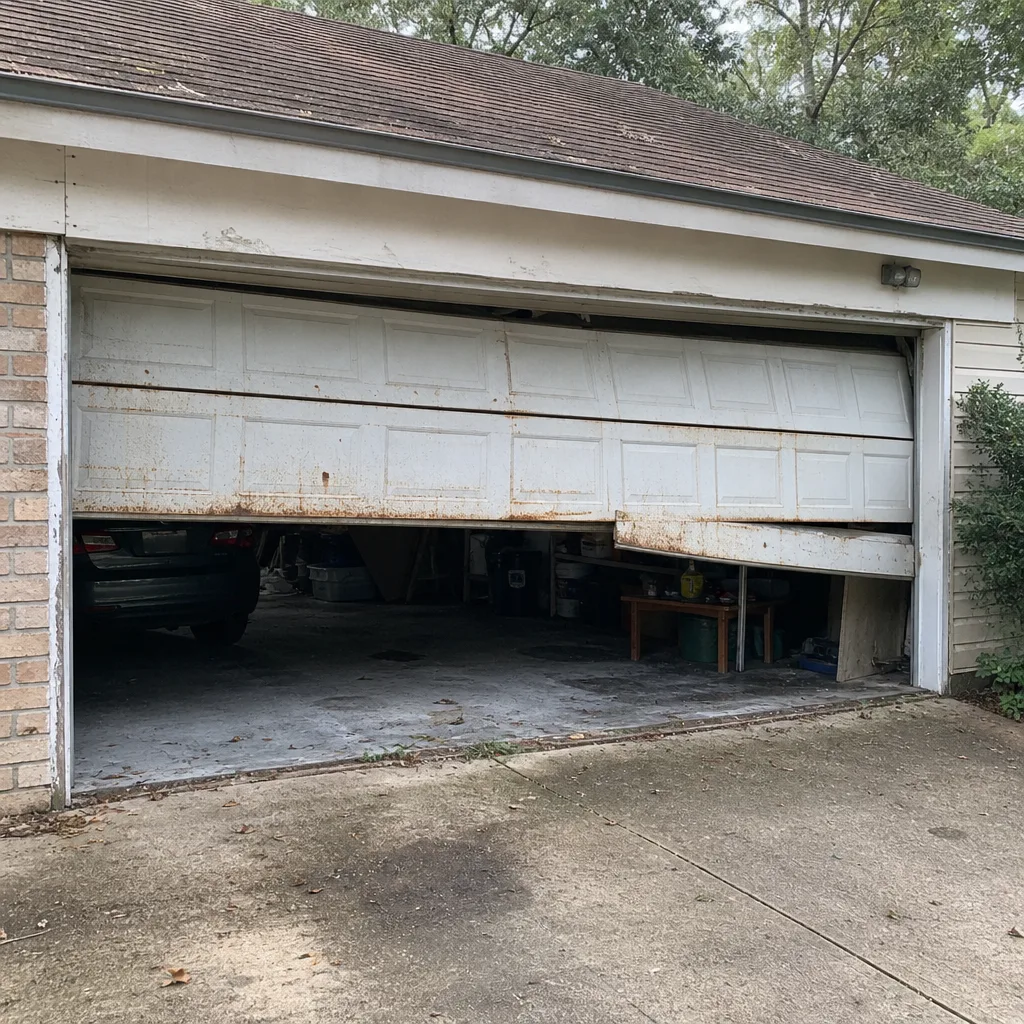 Before
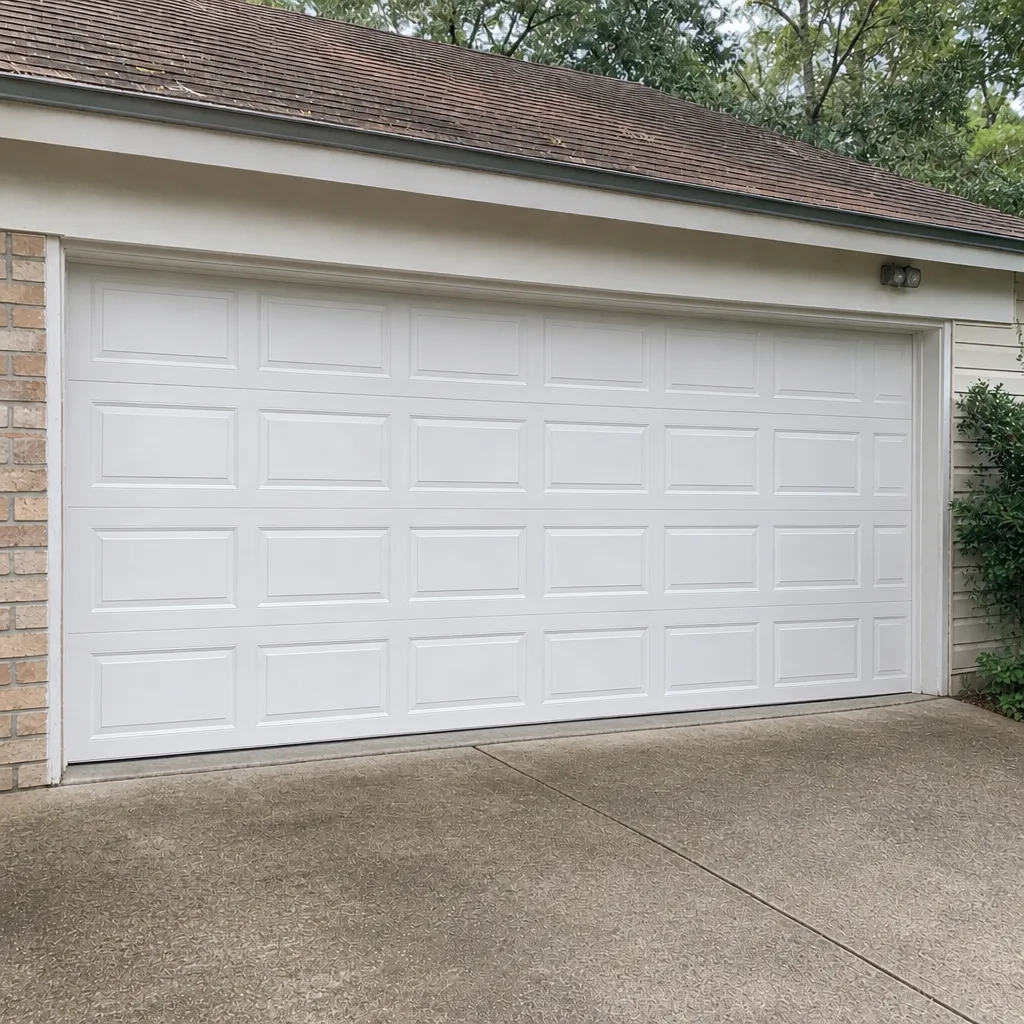 After
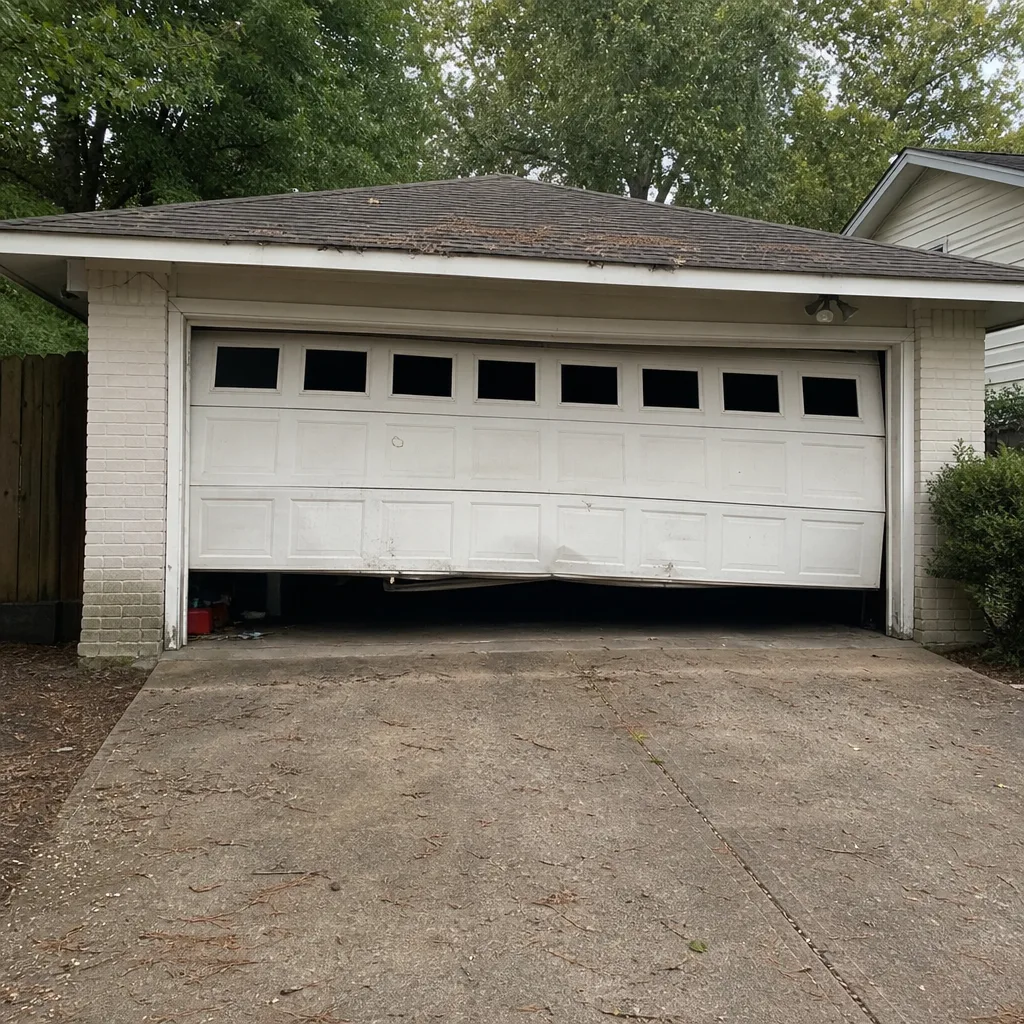 Before
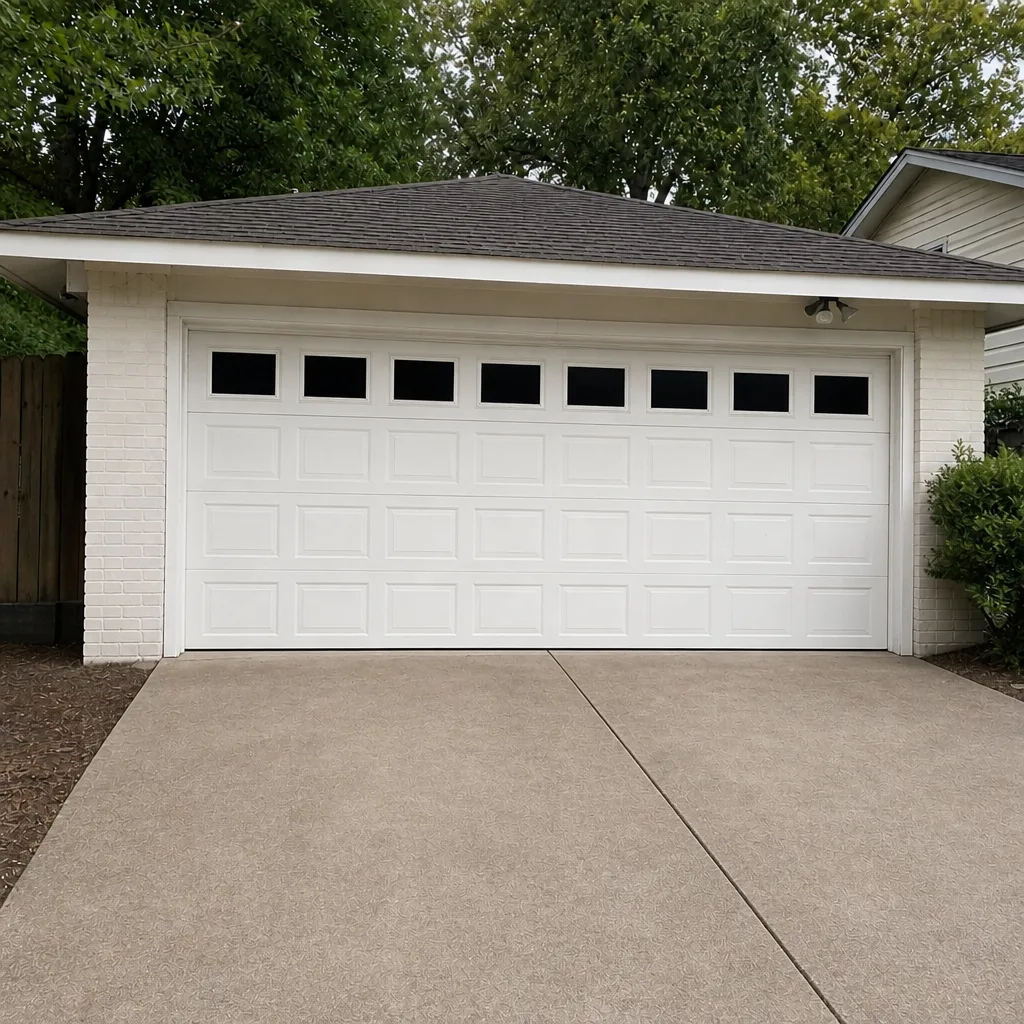 After
When to Call a Professional
Most of this checklist is safe for a homeowner. A handful of triggers mean the door needs a trained eye before it gets worse. Call if the balance test fails, if the door reverses without touching anything, if a spring has visibly broken, if a cable is frayed or hanging loose, if the door is off its track, or if the opener runs but the door doesn’t move. Call also if a repair you’ve done yourself hasn’t quite fixed the problem – a door that’s “mostly” working is still working, and the “mostly” part will become the failure. We do free estimates in Conroe, and our technicians have up to 12 years of experience with the systems in your home. Call (877) 362-9173.
Frequently Asked Questions
Once a month for the basic walk-around, balance test, and safety-reverse test, and twice a year for lubrication and weatherstrip inspection. Conroe’s heat and humidity wear on lubricant and seals faster than drier locations, so the twice-yearly lubrication is more important here than in some other climates, not less.
No. A torsion spring carries enough stored energy to cause serious injury, and the tooling and technique required are not homeowner-level. Spring repair is exactly the kind of work we specialize in as a single-trade company. Call (877) 362-9173 for a faster, safer diagnosis.
Usually a worn roller or a dry hinge. Lubricate the hinges and roller bearings and see if the noise changes. If the grinding persists, the roller is worn and needs replacing – that’s a job we do routinely across LiftMaster, Chamberlain, Genie, and other major brands.
It can if you skip maintenance. Humidity accelerates corrosion on hinges, brackets, and springs, and the summer heat works the opener harder. A door that gets cleaned, lubricated, and inspected twice a year is going to last longer than one that doesn’t, and that’s true everywhere.
A single failed component is usually a repair; a door with several worn parts or a bent panel after an impact is often a replacement. We assess this on the first visit, and because we do both repair and full installation, you don’t have to find a second company if the answer is replacement.
The local professionals we connect you with are licensed and insured as their state requires. Our technicians have up to 12 years of experience, and every job on every door is a garage door job – we don’t split into other trades. Call (877) 362-9173 for an exact quote. Estimates are free.
The Bottom Line
A garage door maintenance routine is mostly common sense: look, listen, lubricate twice a year, test the safety reverse every month, and leave springs and cables to people trained for them. In Conroe, the humidity and heat make the twice-yearly lubrication spot on your calendar more important than it would be in a drier climate, and the mild winters mean there’s no excuse not to catch a problem early. If any of the symptoms on this list are new or getting worse, call us. Our team knows the brands in your home, and we work on one thing – your garage door.
For repair, spring work, opener service, or a full replacement, call (877) 362-9173. We answer 24/7. Fast dispatch from 7am to 7pm, Sunday through Friday. Free estimates, and the price we quote is the price you agree to before any work starts. Conroe Garage Door Repair Pros handles garage doors, start to finish – nothing else.
Written by the team at Conroe Garage Door Repair Pros.