
Last updated November 20, 2026
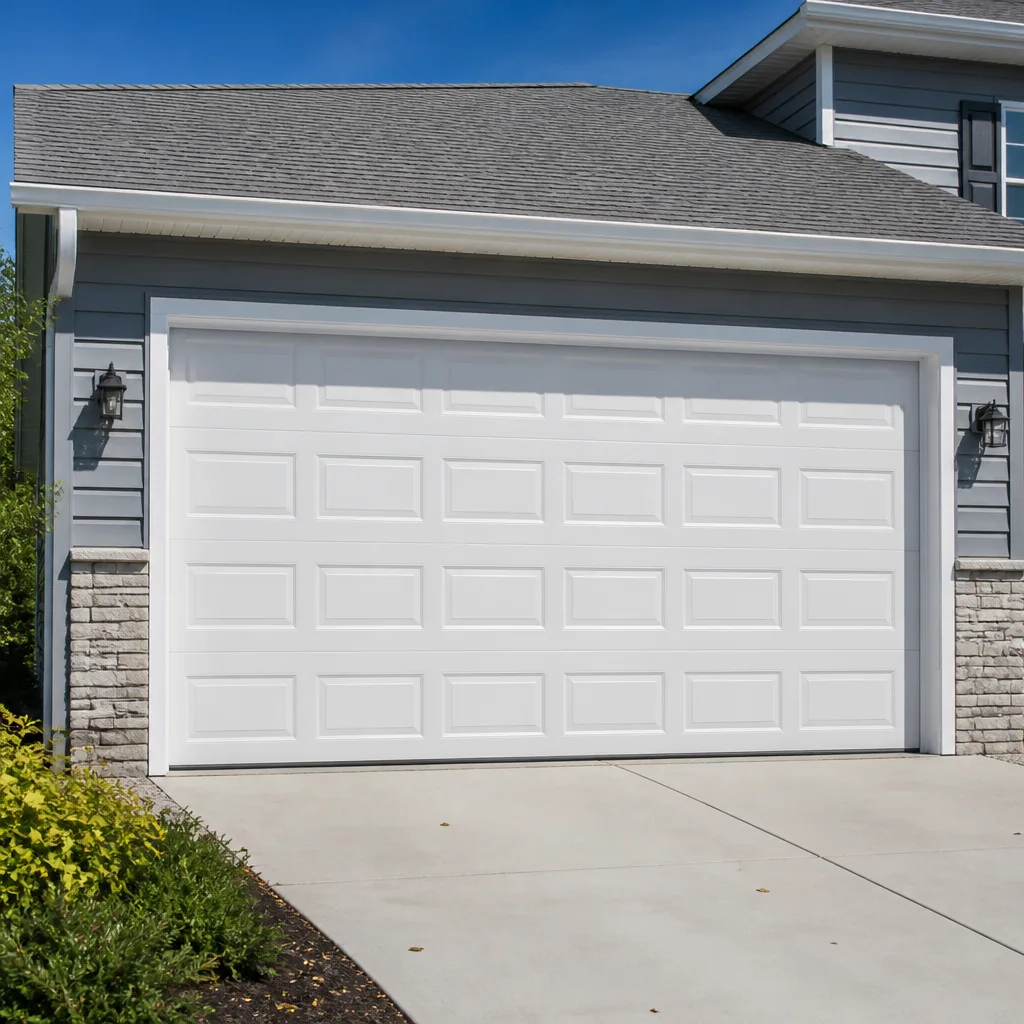 Raised-panel steel
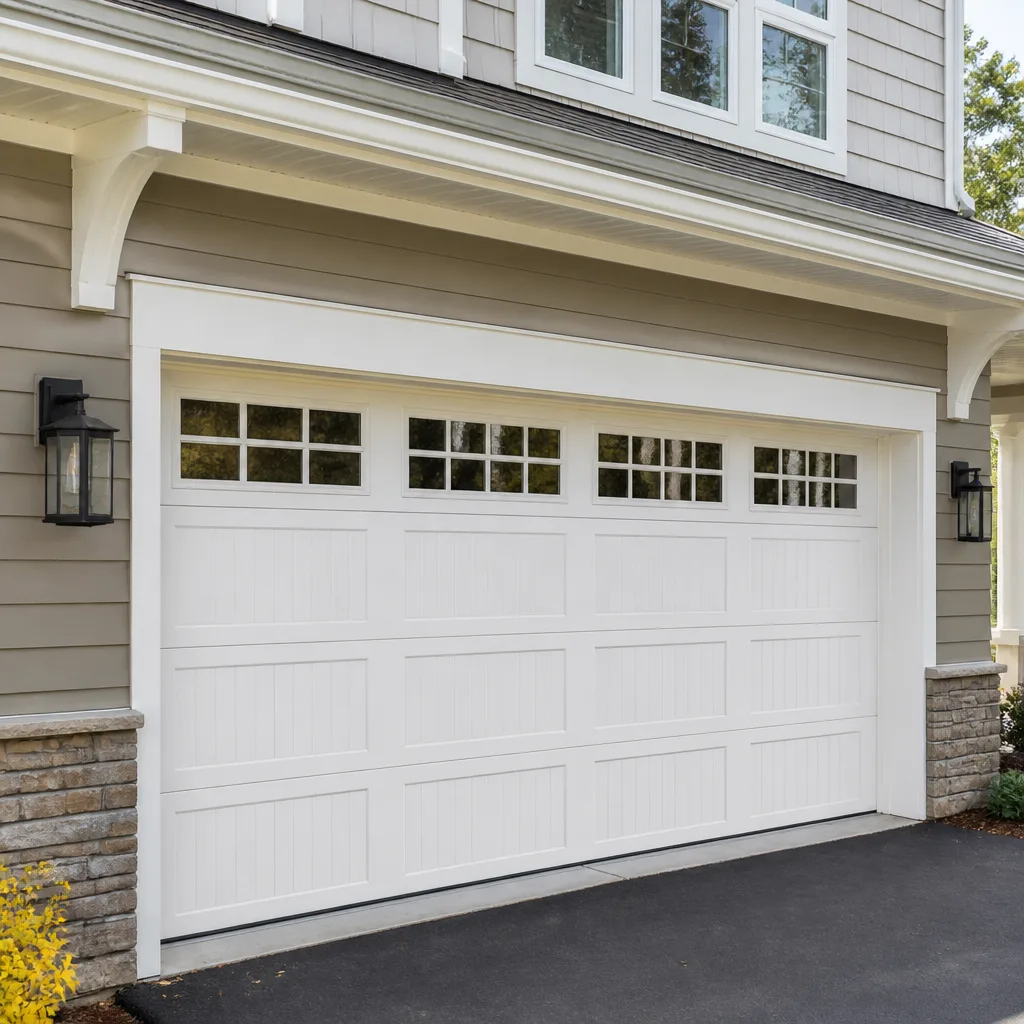
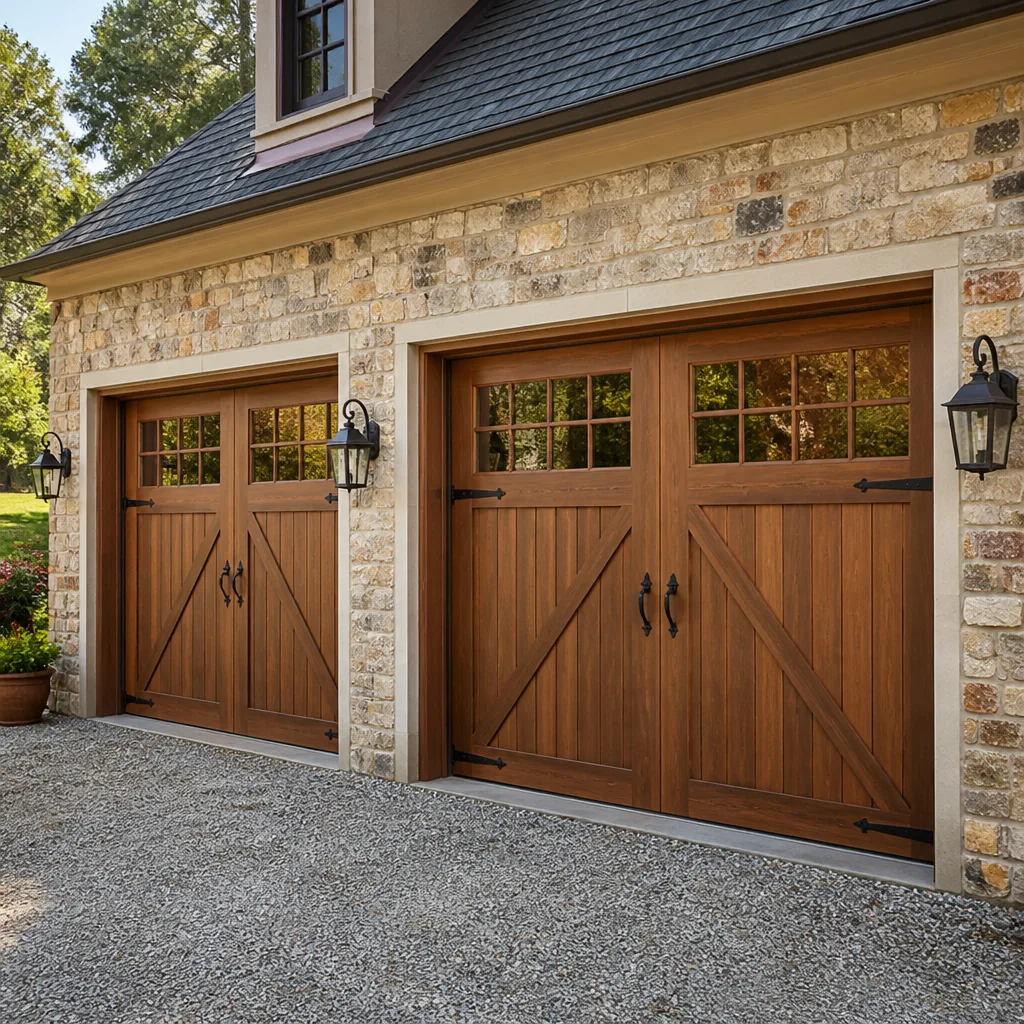 Carriage house
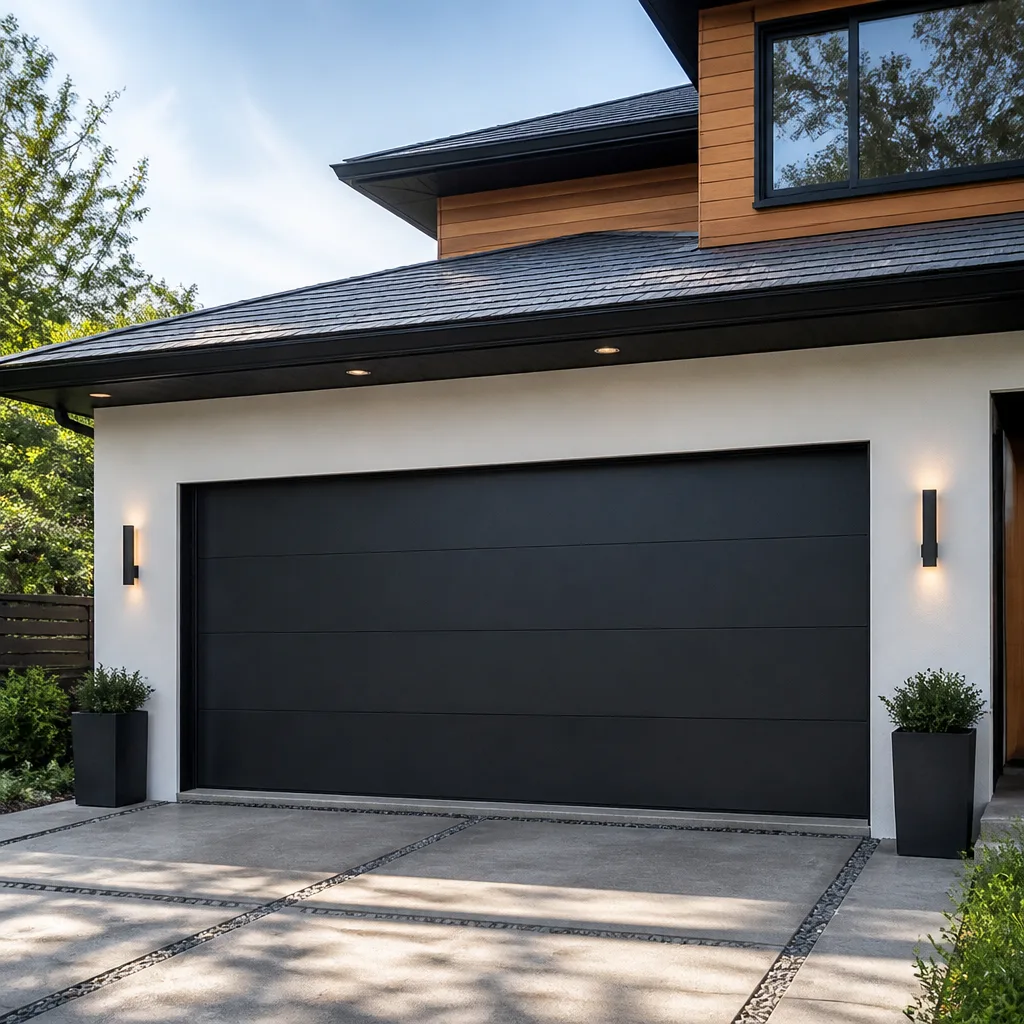 Modern flush
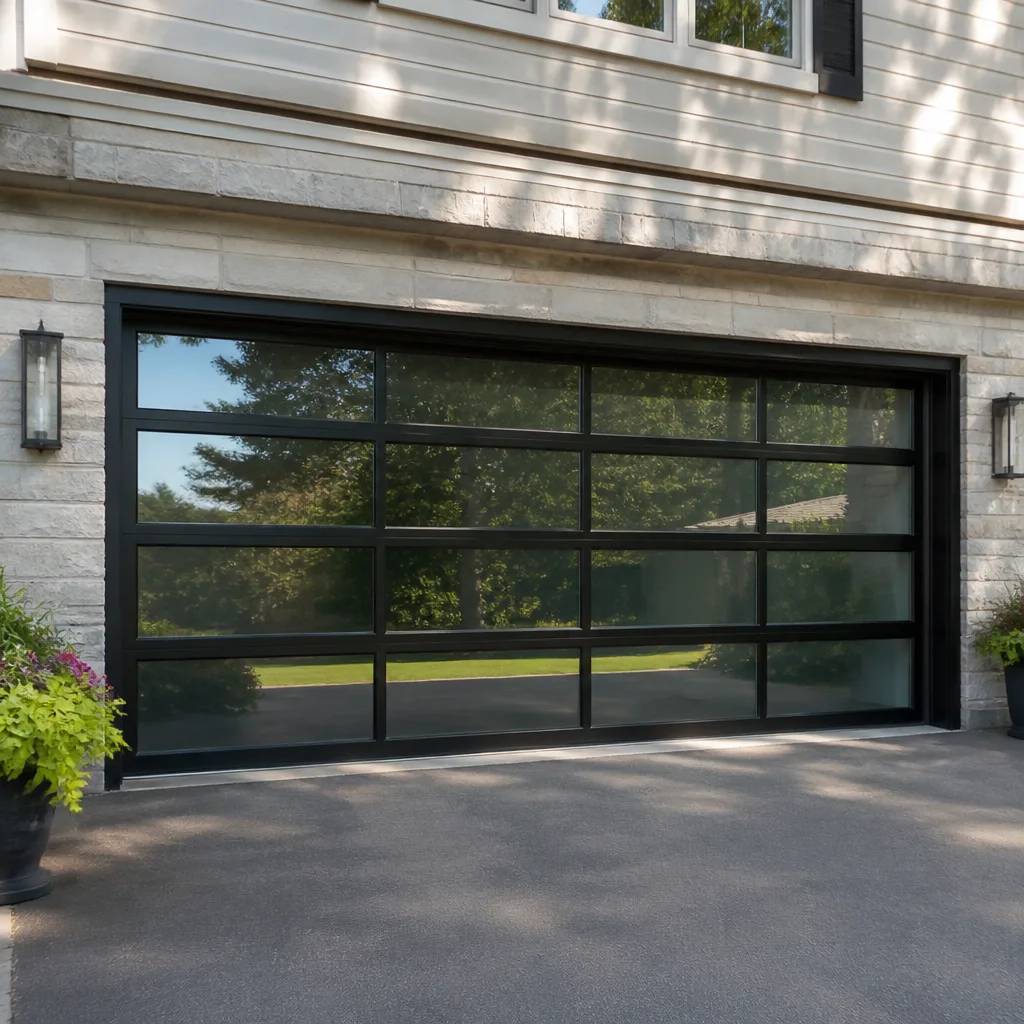 Full-view glass
 LiftMaster openers
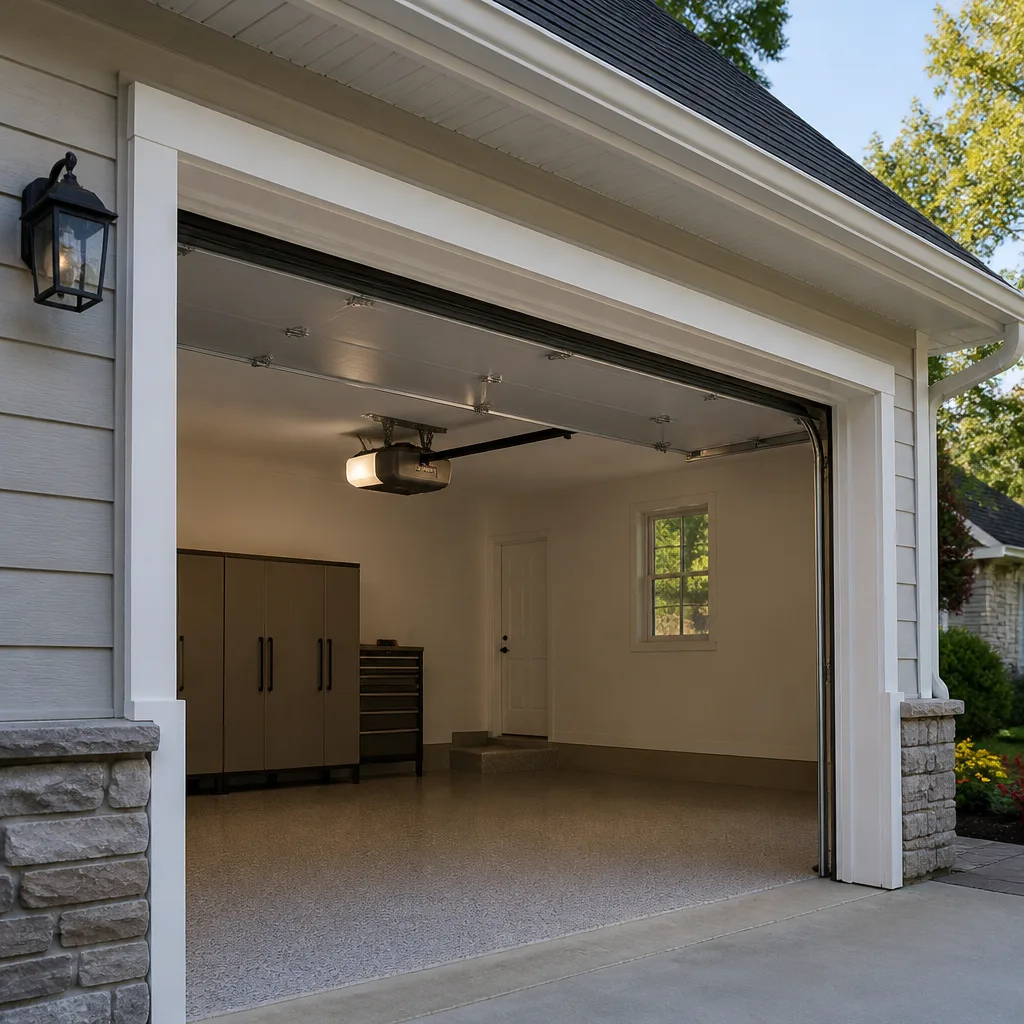 Chamberlain openers
Full 25-point door and opener safety check with every visit - springs, cables, rollers, tracks, and your LiftMaster or Chamberlain opener included
You get a price before we start. It does not change when the pro arrives.
Get your free estimateGarage Door Warning Signs: A Conroe Homeowner’s Reference Guide
Most homeowners judge a garage door by whether it opens. That’s the wrong test. A door can run up and down for months while a cable frays, a roller flat-spots, or an opener strains against a spring that’s already lost its tension. The failure you notice is usually the last one in a chain that started quietly. In Conroe, where humid summers and heavy spring rains work on wood, paint, and metal hardware year after year, those quiet problems tend to surface faster than people expect. This guide covers what to watch for, what each symptom usually means, what typical repairs cost, and which problems you can reasonably handle yourself. Read it before something breaks, not after.
Styles & brands we work with
- Raised-panel steel
- Carriage house
- Modern flush
- Full-view glass
- LiftMaster openers
- Chamberlain openers
Quick Answer
The main warning signs of a failing garage door are a door that reverses before closing, a loud bang followed by a door that won’t lift, visible gaps in the springs above the door, a door that drifts or hangs crooked, and an opener that strains or runs but doesn’t move the door. Any of these means the door needs a professional look before you keep using it. Spring, cable, and opener problems are the ones that lead to bigger damage when ignored.
Table of Contents
- What Is Your Garage Door Trying to Tell You?
- Warning Sign 1: Broken or Sagging Springs
- Warning Sign 2: New or Worsening Noise
- Warning Sign 3: A Door That Hangs, Drifts, or Binds
- Warning Sign 4: Opener Trouble and Smart-Home Failures
- Warning Sign 5: Safety Reverse and Sensor Faults
- What Do These Repairs Cost in Conroe?
- How Conroe Weather Affects Your Door
- Common Mistakes to Avoid
- When to Call a Professional
- Frequently Asked Questions
What Is Your Garage Door Trying to Tell You?
A garage door is a balanced system. Springs carry most of the door’s weight, cables transfer that tension, rollers and hinges guide the panels along the track, and the opener only nudges the whole assembly along. When one part starts to fail, the others take on load they weren’t designed for. That’s why a single snap can cascade: a worn roller wears the track, a tired spring overworks the opener, a bent track chews through rollers.
The useful habit is to know your door’s normal. Take thirty seconds to watch and listen to it once a month:
- Open the door fully and watch it travel. Does it move smoothly, or does it stutter at one point?
- Listen for grinding, squealing, or rattling. A healthy door makes a steady hum and a soft rumble – not a scrape.
- Check the springs above the door. Look for a visible gap in the coil, and look at the color-coded ends.
- Close the door and watch the gap at the floor. It should meet the threshold evenly across the width.
- Test the safety reverse with a small object under the door (more on this below).
In Conroe, this routine matters a little more than in drier parts of Texas. The humidity here doesn’t just make the air feel thick – it works on the steel hardware, the wood panels on older doors, and the paint on anything facing the sun. Catching a problem early usually means a smaller repair and a door that stays on its track.
Our technicians have up to 12 years of experience, and the pattern we see is consistent: the doors that break down dramatically almost always showed signs for weeks beforehand. The homeowner just didn’t know what to look for. That’s what this guide is for.
Warning Sign 1: Broken or Sagging Springs
A broken spring is the most common serious failure on a garage door, and it’s also the one to take most seriously. Torsion springs are mounted on a shaft above the door; extension springs run along the horizontal tracks. Both are under extreme tension. When a torsion spring snaps, it usually announces itself with a sharp bang – it sounds like a gunshot from inside the garage. After that, the door may not open at all, or the opener may try and fail.
Here’s what to check, visually and safely:
- A visible gap in the coil. Torsion springs should be one continuous coil. A gap means a section has snapped.
- Gaps between coils that weren’t there before. A sagging or stretched spring is on its way out.
- Color-coded ends. Most torsion springs are painted at one end to indicate wire size. That code matters when a replacement is ordered.
- A door that feels impossibly heavy when you lift it by hand. If it takes real effort to raise a disengaged door, the spring has lost its tension.
- A door that won’t stay up. If it slams down when you let go, the springs aren’t doing their job.
We want to be direct about the risk here: springs are under enough tension to cause serious injury if they’re handled without the right tools and training. This isn’t a job to attempt with a pair of vice grips and a YouTube video. It’s also exactly the repair we specialize in. Spring repair is a named service for us, not an afterthought, and it’s the reason a lot of Conroe homeowners call us in the first place.
One note on cost: torsion springs are usually replaced in matched pairs, since both springs have taken the same wear. Replacing one and leaving its partner is a common reason a door fails again quickly.
Warning Sign 2: New or Worsening Noise
A quiet door that suddenly gets loud is telling you something has changed. Noise is usually the easiest sign to catch, because it doesn’t require any knowledge of the mechanism – you just know your door didn’t used to sound like that.
Match the noise to the likely cause:
- Squealing or high-pitched grinding: dry or worn rollers, or a torsion shaft that needs lubrication.
- Rattling, especially as the door starts or stops: loose hinges, bolts, or panels that have worked themselves loose.
- Scraping along a section of travel: the door is rubbing the track, often because a roller has come out or the track has bent.
- A pop or clunk at the same point on the way up: a worn hinge or a roller that is catching.
- Continuous humming from the opener with no movement: the motor is running but the drive isn’t engaging the door.
Some noise is normal – a door rolling along a metal track makes some sound. What you’re listening for is a change from your door’s baseline. In Conroe, a door that was quiet through the dry months and gets noisy in the humid season is often telling you that metal parts have lost lubrication or picked up surface corrosion. A little attention to the moving parts usually quiets it down, but if the sound is a grind or a scrape, stop running the door until someone looks at it.
Warning Sign 3: A Door That Hangs, Drifts, or Binds
An unbalanced door is a door that’s fighting itself. Balance problems are common and often early warnings of a bigger failure, so they’re worth catching sooner than later.
To check balance, disconnect the opener (most doors have a pull cord or release lever for this) and lift the door halfway by hand. Let go. A healthy door should hold roughly where you left it. A door that drifts down is telling you the springs have weakened; a door that wants to rise is over-sprung. Either way, the opener has been compensating for it, and that’s exactly the kind of strain that shortens an opener’s life.
Other balance symptoms:
- A visible tilt. If one side of the door sits lower than the other when closed, a cable, spring, or track on one side is out of adjustment.
- A gap at one corner of the floor. Same cause, and it’s also an entry point for water and pests.
- A door that binds or stops at one height. Usually a bent track or a misaligned roller.
- Panels that look out of line. Hinges can bend, or a panel can shift if the door has been hit or stressed.
Balance and alignment problems are worth a professional look because adjusting spring tension is a dangerous task, and a track that’s bent back into shape can easily be bent the wrong way. In Conroe, doors that have taken a hit from a car bumper or a yard tool are a frequent source of alignment problems. A bent track also wears out rollers quickly, so a small alignment fix today saves a bigger repair later.
Warning Sign 4: Opener Trouble and Smart-Home Failures
The opener is the part of the system most homeowners interact with, so its failures are usually noticed first. But the opener is often the messenger, not the problem. A door that suddenly won’t lift may have a perfectly healthy opener that’s straining against a broken spring.
Common opener symptoms and what they usually mean:
- Remote or keypad doesn’t work, but the wall button does: usually a remote battery, a lost pairing, or a wireless interference issue.
- Remote range has dropped: often the logic board’s antenna or a battery on its way out.
- Opener runs but the door doesn’t move: the drive gear or belt has failed, or the door is too heavy for the opener because of a spring problem.
- Opener stops partway: an obstruction, a force-limit setting issue, or a binding door.
- App or Wi-Fi connection drops: common on smart-enabled openers; usually a router, network, or firmware issue rather than a mechanical fault.
- Lights flash but the door doesn’t move: the opener has detected a fault – often the safety sensors. More on that below.
Opener repair is a distinct specialty, and it’s a bigger deal than it sounds, because openers are not interchangeable. LiftMaster, Chamberlain, and Genie systems each have their own diagnostic logic, and smart-home-enabled models add a network layer on top of the mechanical one. If your opener is a LiftMaster or Chamberlain unit, we know that system specifically. Our technicians are also equipped to service Clopay doors and openers from LiftMaster, Chamberlain, Genie, Clopay, Amarr, Wayne Dalton, Craftsman, and Raynor, so a brand-specific problem doesn’t get a guess.
One thing to know about openers: when a door is unbalanced or a spring has failed, the opener is the part that pays for it. A door that’s hard to lift can wear out a good opener in a matter of months. If your opener keeps tripping its force limit, the real problem is usually the door, not the opener.
Warning Sign 5: Safety Reverse and Sensor Faults
The safety reverse system is the one part of your garage door that exists solely to protect people and pets, and it’s the one part you should never let slide. Most modern doors use two safety sensors mounted at the floor, plus a force-limit system in the opener. Both need to work.
Here’s how to check yours:
- Open the door to about chest height.
- Lay a small object – a piece of wood or a cardboard box – directly under the door.
- Close the door with the wall button or remote.
- The door should reverse immediately when it meets the object. If it touches the object and keeps going, the sensors or the force setting need attention.
Sensor symptoms to watch for:
- Sensors misaligned – the small indicator lights on each sensor should be solid, not blinking. A blink usually means the beam is being interrupted or the sensors are out of line.
- Sensors damaged by a bump – a car bumper or a yard tool can knock a sensor out of position or crack its lens.
- Dirty sensor lenses – pollen, dust, and spider webs in Conroe can block the beam. A wipe with a clean cloth often fixes it.
- Opener lights flashing with a broken-beam signal – usually the sensors, but worth a professional check if the beam looks clean and aligned.
If the door doesn’t reverse on command, stop using it until it’s fixed. This is the one garage door fault where the consequences can involve a child or a pet, and it’s not a task to postpone until the weekend.
What Do These Repairs Cost in Conroe?
The cost of a garage door repair in Conroe depends mostly on which part has failed and whether the door needs a single component or a matched set. Below are typical estimated ranges for the most common repairs. These are estimates, not quotes – the written estimate you receive after we look at the door is the price that applies, and we quote and agree it with you before any work starts.
| Repair | Typical Estimated Range (per job) | Notes |
|---|---|---|
| Torsion spring replacement (one spring) | $180-$340 | One spring. Matched pairs are usually replaced together, so a pair runs about double this. |
| Extension spring replacement | $150-$280 | Often replaced in pairs for the same reason. |
| Cable replacement | $160-$320 | Usually handled with spring work since the parts are related. |
| Roller replacement | $120-$250 | Set of rollers; often bundled with a tune-up. |
| Track repair or alignment | $150-$400 | Depends on whether the track can be adjusted or needs replacing. |
| Opener repair or replacement | $180-$600 | Repair on the low end; full replacement with a new unit on the high end. |
| Safety sensor replacement | $120-$220 | Includes realignment or new sensor pair. |
A few things that affect where on the range you land:
- Brand and model. Parts availability varies. Clopay and LiftMaster are widely supported; some older or discontinued models take longer to source parts for.
- Age and condition of the door. A repair on a door that’s otherwise sound is straightforward. A repair on a door with several worn components often makes more sense as a package.
- Whether it’s one part or a set. Springs and cables are usually done in pairs.
- Access. A door that’s hard to reach or blocked by stored items can take longer.
If you’re weighing a repair against a replacement, get an estimate on both. A door that needs a spring, cables, and rollers all at once may be a candidate for a new system, and a full installation with a compatible opener is often a cleaner path than a chain of one-off repairs. For a full replacement, we’ll measure, order, and schedule; we don’t promise same-day on installation because that work takes planning.
How Conroe Weather Affects Your Door
Conroe’s climate is mild in winter and hot and humid in summer, with heavy rain at times. That combination shapes which garage door problems turn up most often here.
Humidity is the big one. The metal moving parts – rollers, hinges, springs, and the torsion shaft – pick up surface moisture and start to corrode if they’re not kept lightly lubricated. Wood-panel doors on older homes can absorb moisture and start to swell or warp, which throws them out of alignment and makes them bind. Paint on the outside face can blister or peel faster on the sun-exposed south and west sides, which lets more moisture in. None of these are dramatic failures, but together they shorten the life of the door hardware.
Heavy rain is the other factor. A door that doesn’t seal evenly across the floor lets water in at the corners, which is a good reason to check the floor gap once a month. It also drives people to close the door fast and hard, which stresses the opener and the safety systems.
The practical upside: Conroe’s mild winters mean the door doesn’t get punished by freeze-thaw movement. The upkeep is mostly about keeping the moving parts dry and lubricated, and dealing with alignment problems before they wear anything else out.
For homes in Conroe’s older established neighborhoods with wood-panel doors, the season to watch is late spring through early fall – that’s when the humidity does its work. A quick visual check on the panels and a wipe-down of the moving parts after heavy rain goes a long way.
Common Mistakes to Avoid
- Running the door on a broken spring. The opener will try to lift the entire weight of the door, and it can fail or burn out the motor in a short time. It’s one of the most common reasons a small spring repair turns into a repair plus an opener replacement.
- Replacing one spring when the pair is worn. Springs wear together. Putting one new spring next to its old partner loads the older one unevenly and is a common reason a door fails again soon after.
- Forcing a bent track back into shape. A track that looks like it’s been nudged back can be out of alignment in a way you can’t see, which wears out rollers quickly. Have it checked rather than bent back.
- Ignoring the safety reverse test. Skipping the monthly test is the mistake most likely to go unnoticed until it matters. It takes 30 seconds and it’s the one check worth making a habit.
- Lubricating with the wrong product. Grease and heavy oils collect dust and turn into a grinding paste. A light, purpose-made garage door lubricant on the hinge points and rollers keeps parts moving without attracting grit.
- Assuming the opener is the problem. An opener that “runs but doesn’t lift” is usually struggling against a door problem. Replacing the opener without fixing the door is a common and expensive misdiagnosis.
- Mixing brands and parts without checking. A universal remote isn’t universal, and a track or bracket made for one door system may not fit another. Brand compatibility matters – if your door is a Clopay or your opener is a LiftMaster, the parts should match the system.
- Letting water in at the floor and ignoring it. A gap at the bottom seal lets water into the garage and into the door’s lower panels. In Conroe’s rain, that’s how wood panels start to go.
When to Call a Professional
Some of what’s in this guide is DIY-friendly: a visual check, a safety reverse test, a wipe-down of the moving parts, a light lubricant in the right places. What isn’t DIY-friendly is anything involving spring tension, cables, or an opener that’s failed mechanically. Springs are under extreme tension and can injure you seriously if they’re mishandled. Cables are under the same load. Track alignment and torque adjustments are hard to get right without the tools and experience.
Call a professional if any of these are true:
- You’ve heard a loud bang from the garage and the door won’t lift.
- You can see a gap in a spring or a door hanging visibly crooked.
- The safety reverse test fails.
- The opener trips, stalls, or runs without moving the door.
- The door has bent or come off the track.
Conroe Garage Door Repair Pros offers free estimates in Conroe – call (877) 362-9173. We answer 24/7. Fast dispatch from 7am to 7pm, Sunday through Friday. We quote and agree the price with you before any work starts, and we can work with your insurer if you’re filing a claim.
For general service and repair questions, you can always start with Conroe Garage Door Repair Pros. If you’re specifically after a spring issue, our garage door spring repair page covers the repair process in detail. If your opener is the culprit, our garage door opener repair page walks through brand-specific diagnosis. And if the door is beyond repair, our garage door installation page explains how a replacement is measured, ordered, and scheduled. If you’re reading this from a neighboring city, we also cover garage door repair in The Woodlands and garage door spring repair in Spring, and our guide to choosing a garage door company helps you compare estimates.
Frequently Asked Questions
The clearest sign is a visible gap in the coil of a torsion spring, usually accompanied by a loud bang and a door that won’t lift. If you look above the door and the spring has a break in it, or the door feels extremely heavy to lift by hand, the spring has failed. Stop using the door and call (877) 362-9173 for a free estimate.
Typical estimated ranges in Conroe are $180-$340 for a single torsion spring and $150-$280 for a single extension spring. Springs are usually replaced in pairs, so a matched pair runs about double. Call (877) 362-9173 for a free estimate on your door – the written quote is the price.
Often, yes. Same-day service is available for repair calls, and we answer the phone 24/7. Fast dispatch from 7am to 7pm, Sunday through Friday; calls outside those hours are booked into the next opening. Call (877) 362-9173 and we’ll tell you what’s realistic for your door.
No – not without your agreement. We quote the price and agree it with you before any work starts, so the estimate you receive is the price you pay. If the scope of the job turns out to be different from what we discussed on the phone, we’ll explain that and get your approval first.
The local professionals we connect you with are licensed and insured as their state requires. Our technicians have up to 12 years of experience, and every job is handled by a garage door specialist, not a general handyman. Call (877) 362-9173 to discuss your door.
Repair makes sense when the door structure is sound and one or two components have failed. Replacement is worth considering when the door is noisy, unbalanced, poorly insulated, or needs several repairs at once. We’ll give you an estimate on both so you can compare – call (877) 362-9173.
The Bottom Line
Most garage door failures announce themselves before they break. A gap in the spring, a new grind, a door that drifts when you let go of it, an opener that trips its force limit – each of these is the door telling you what’s coming. Catching them early is usually the difference between a small repair and a full replacement. Springs and cables are the parts to leave to a professional; the visual checks and the safety reverse test are yours to do. If something looks off, a free estimate costs you nothing and gives you a straight answer. Call (877) 362-9173. We answer 24/7. Fast dispatch from 7am to 7pm, Sunday through Friday. We’ll quote and agree the price before any work starts.
Written by the team at Conroe Garage Door Repair Pros.
See the difference
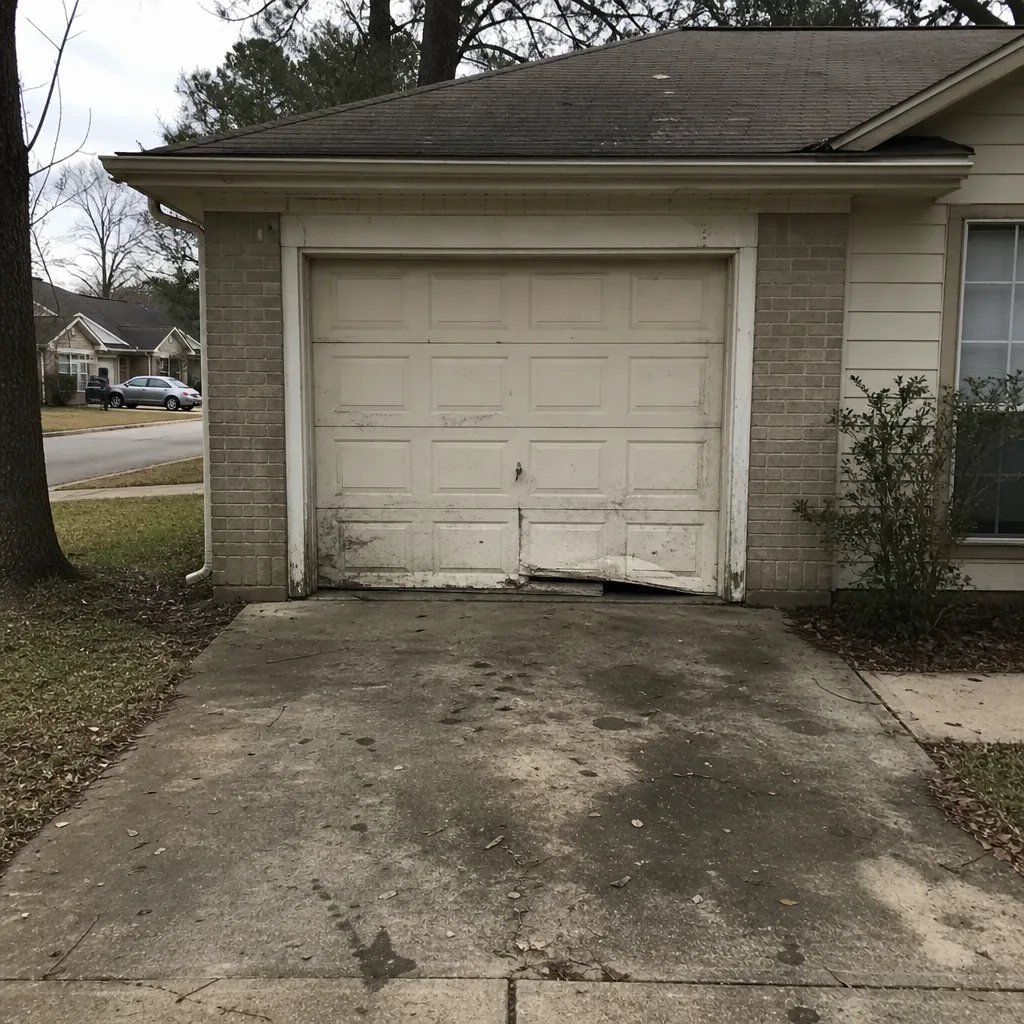 Before
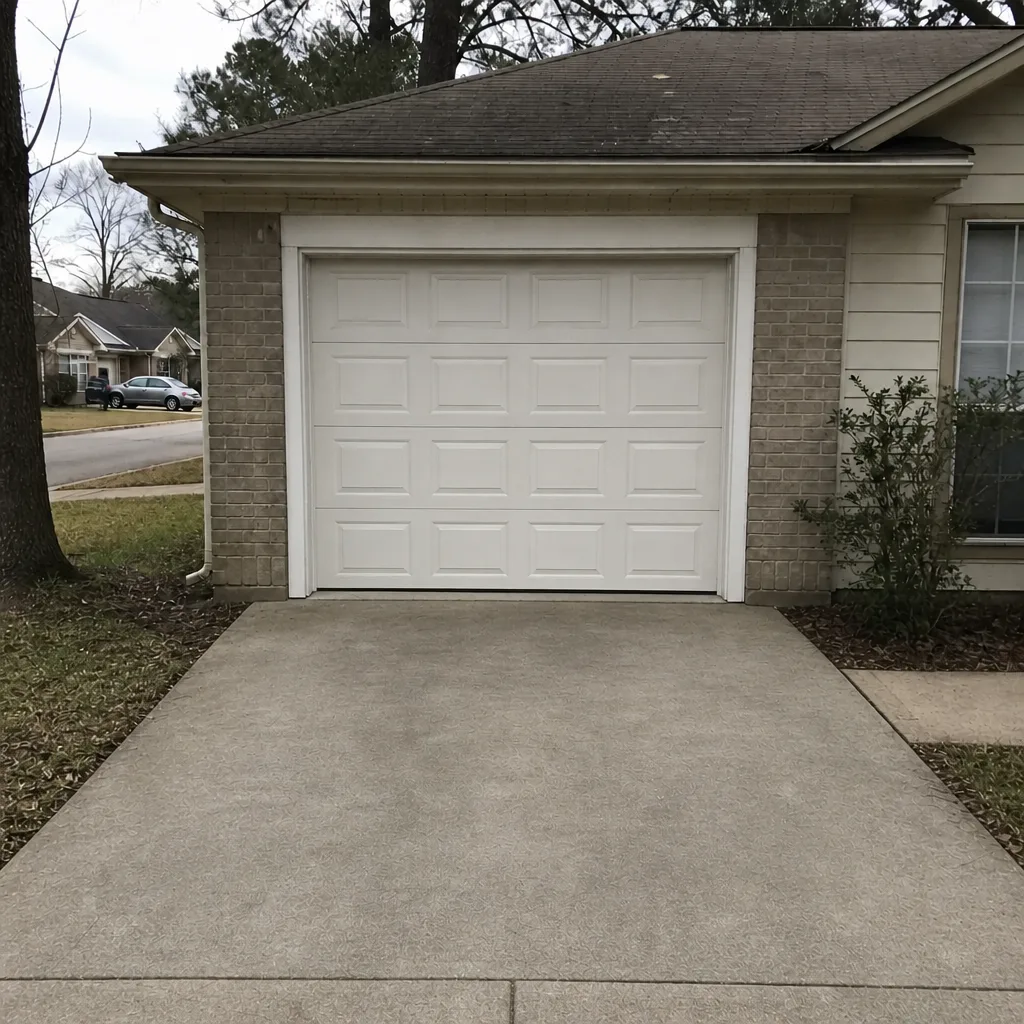 After
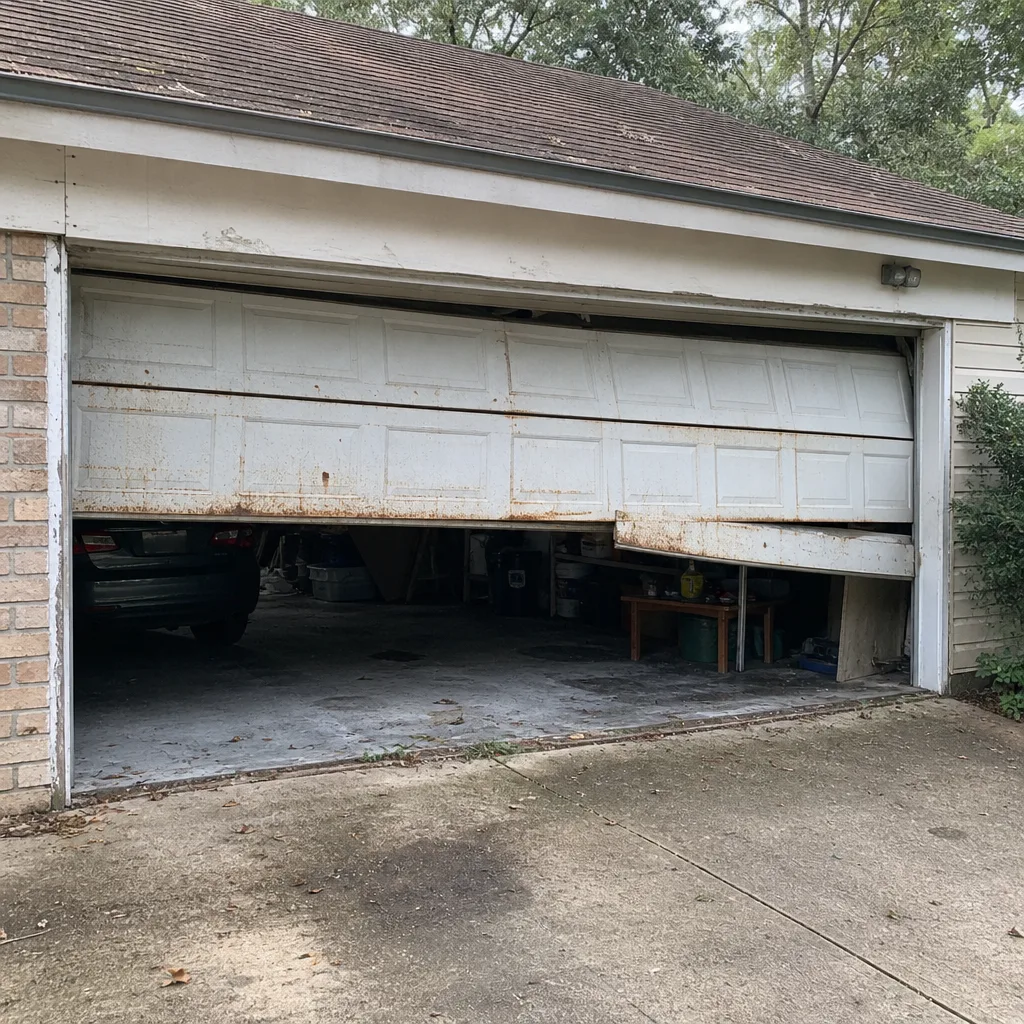 Before
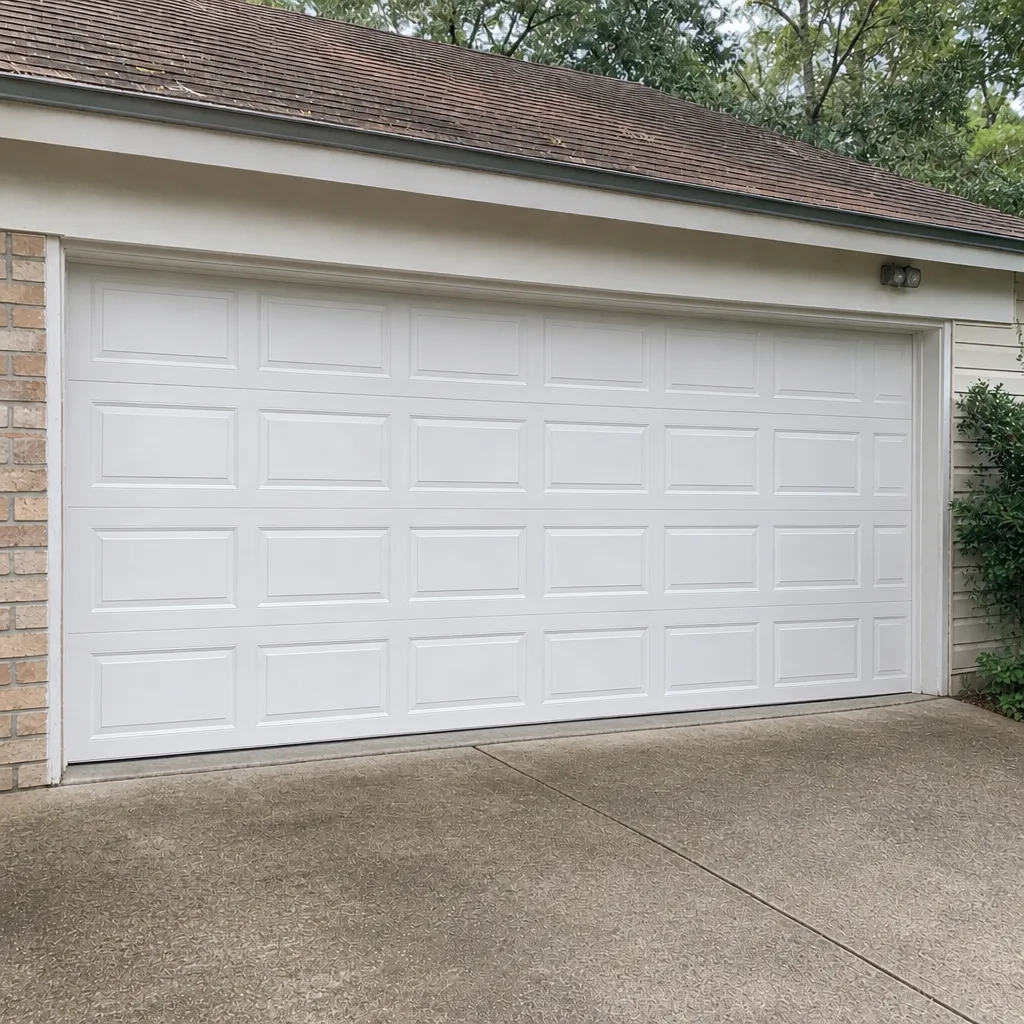 After
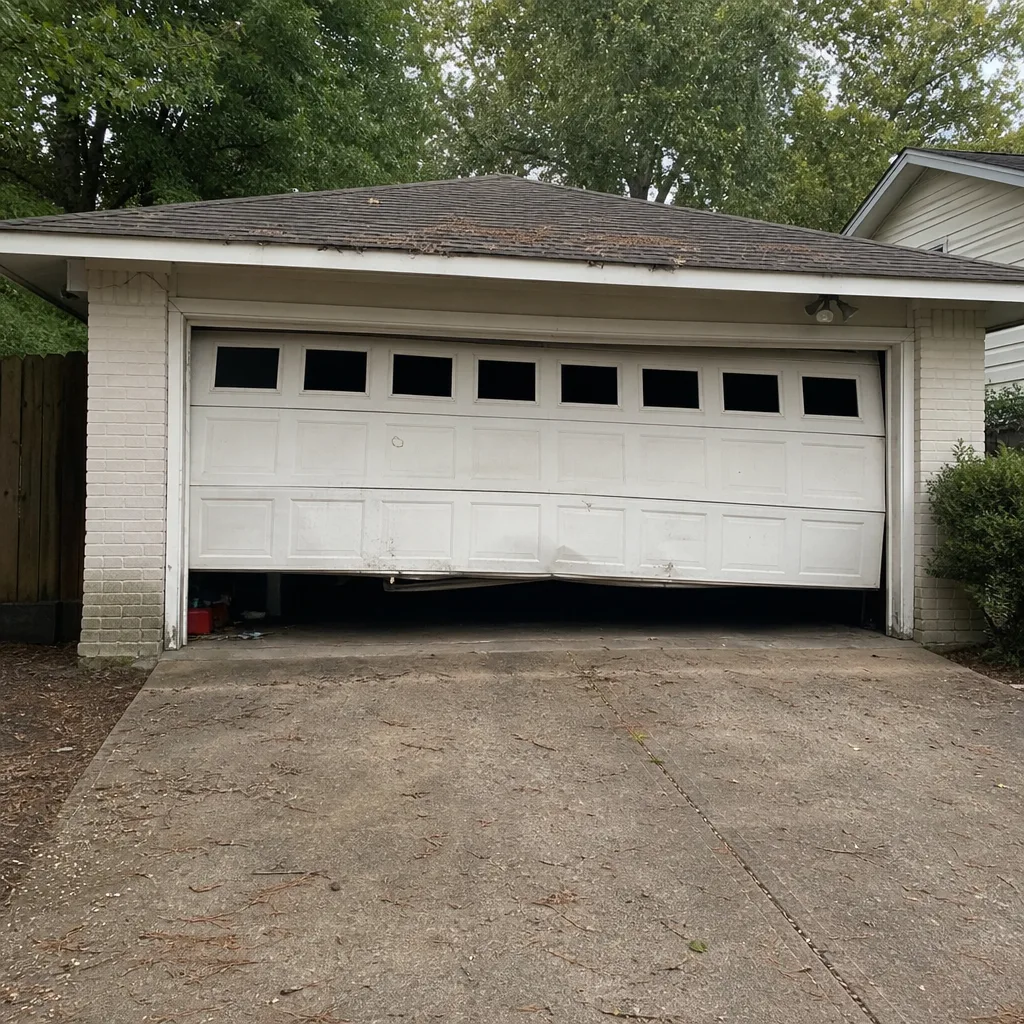 Before
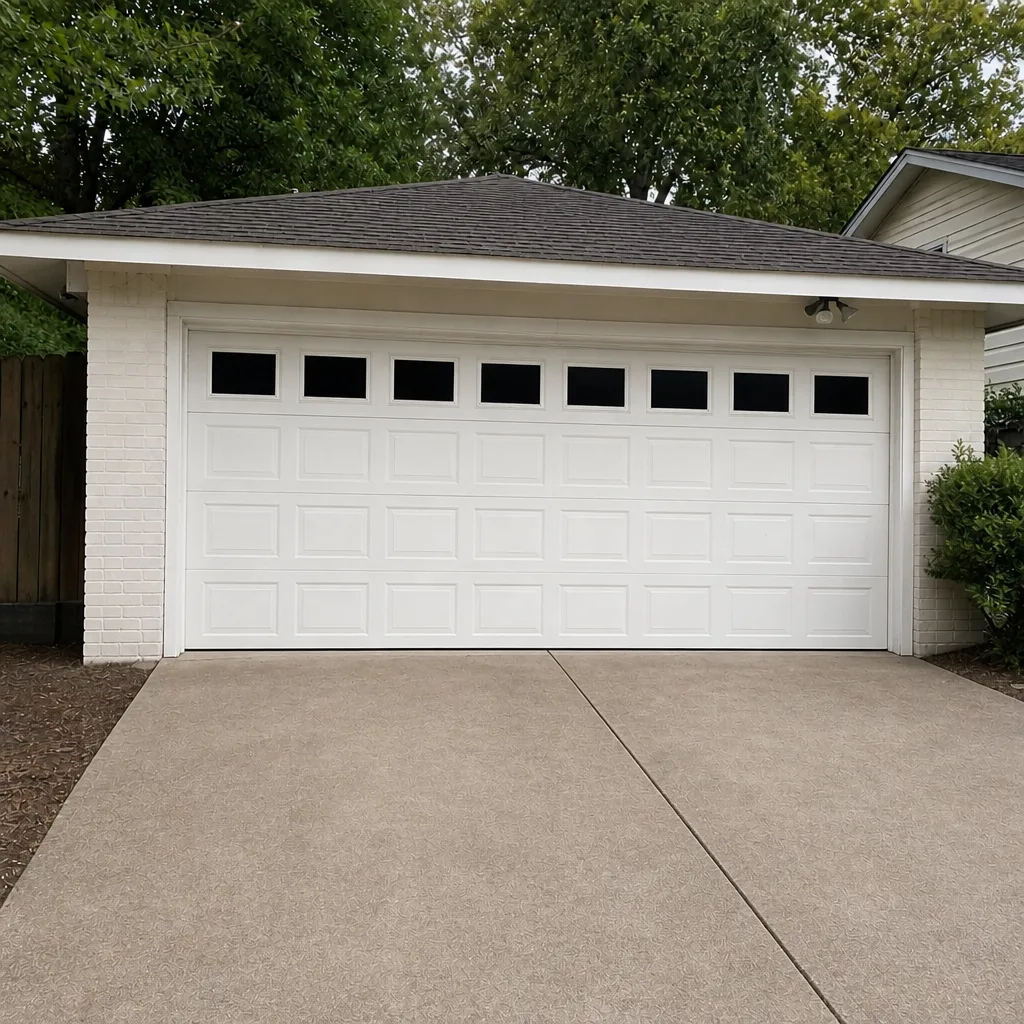 After