
Last updated November 20, 2026
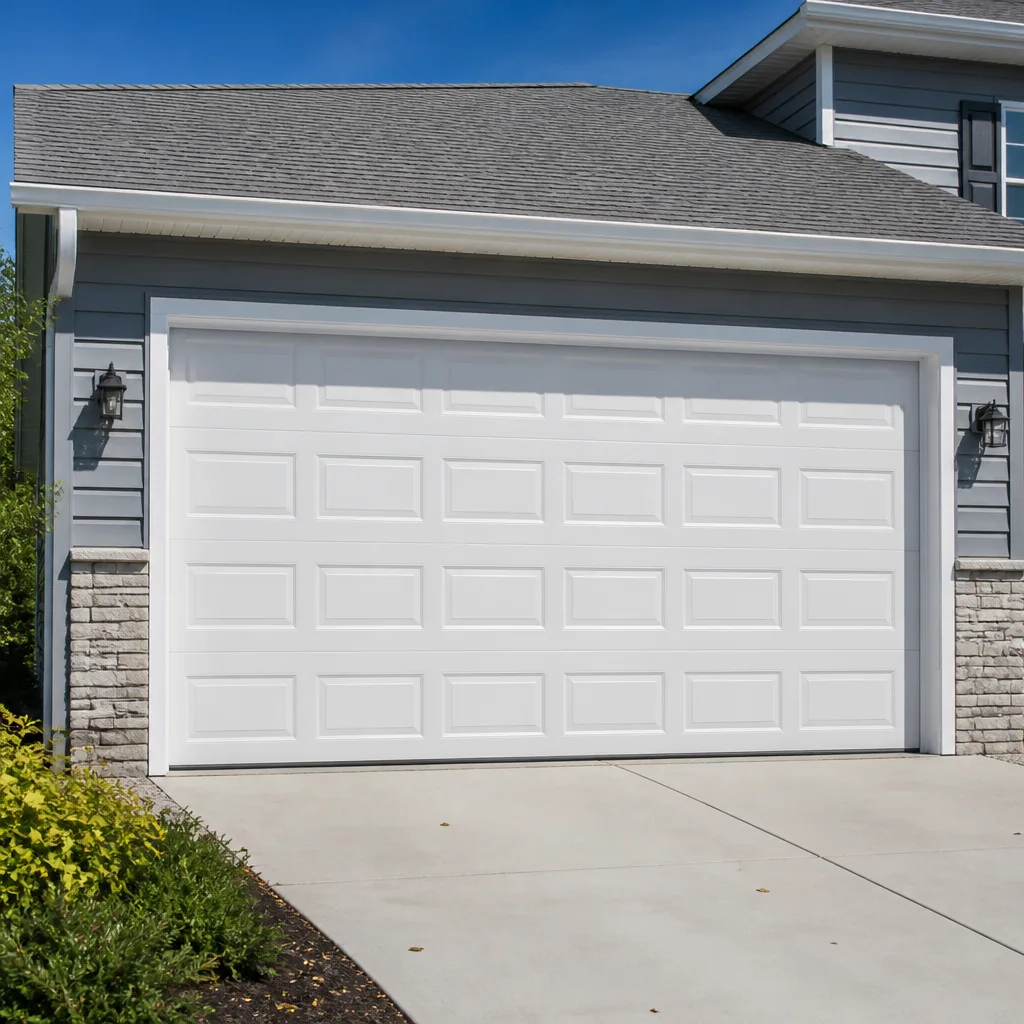 Raised-panel steel
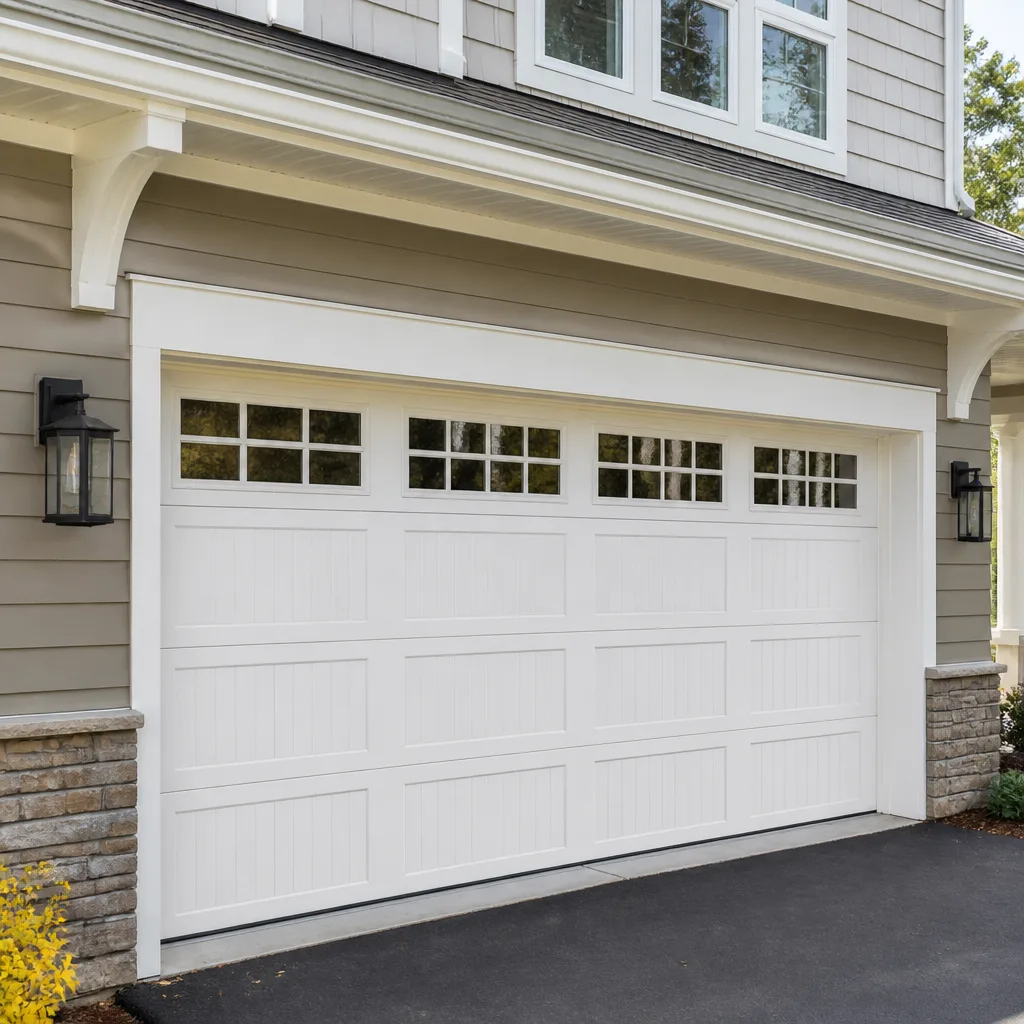
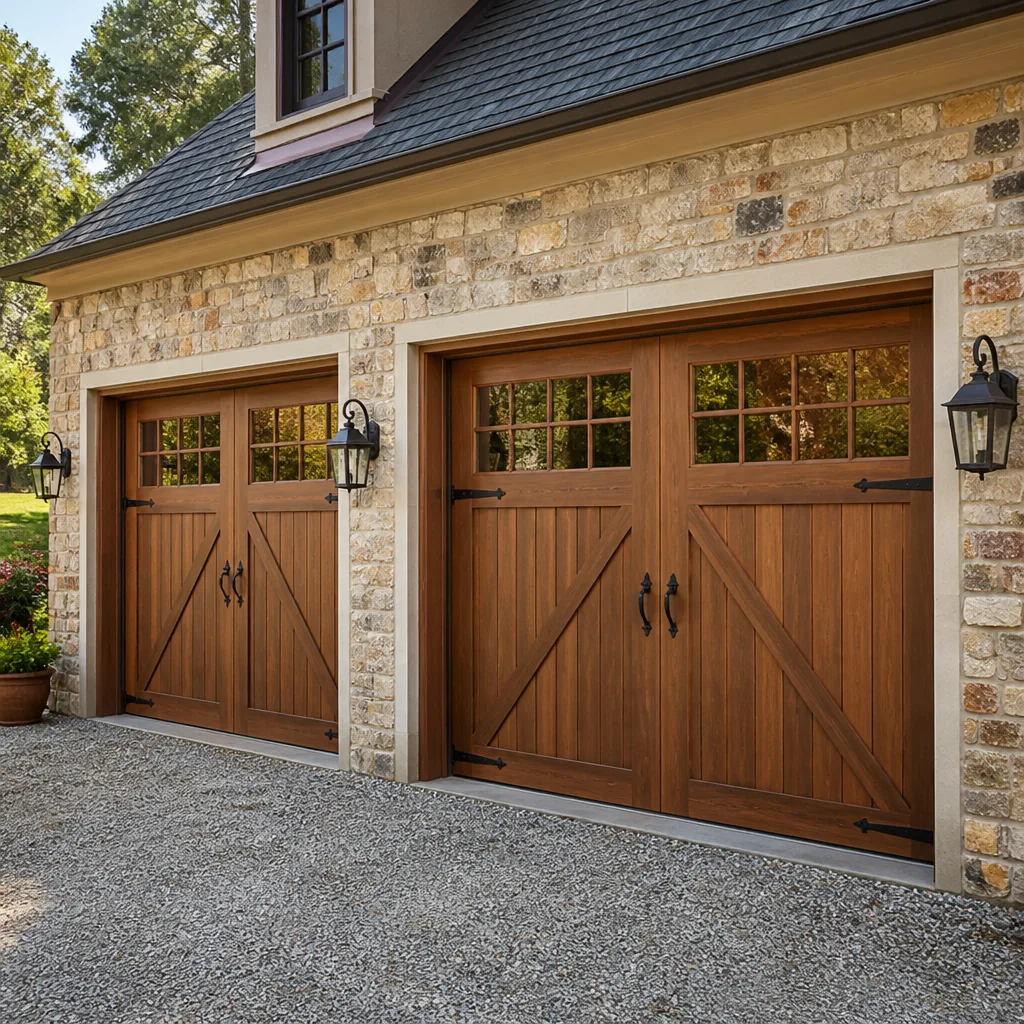 Carriage house
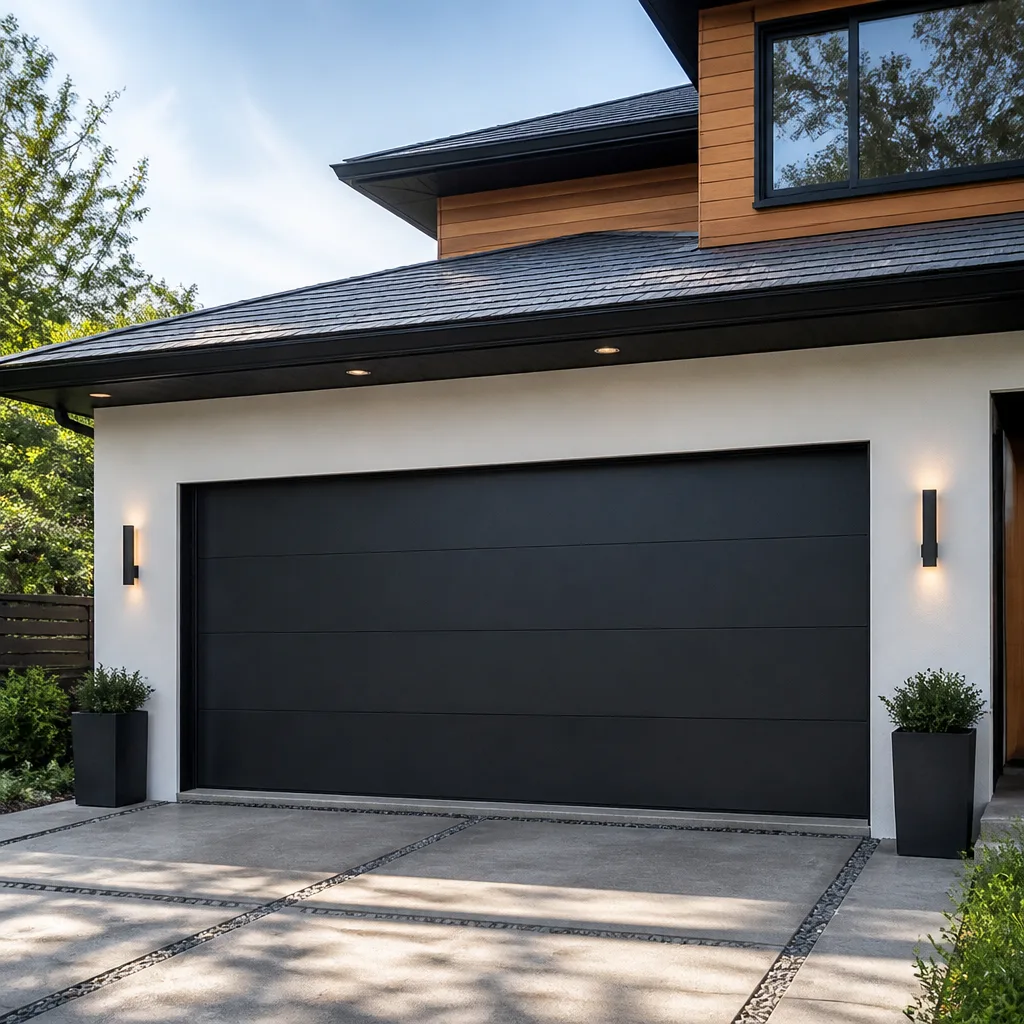 Modern flush
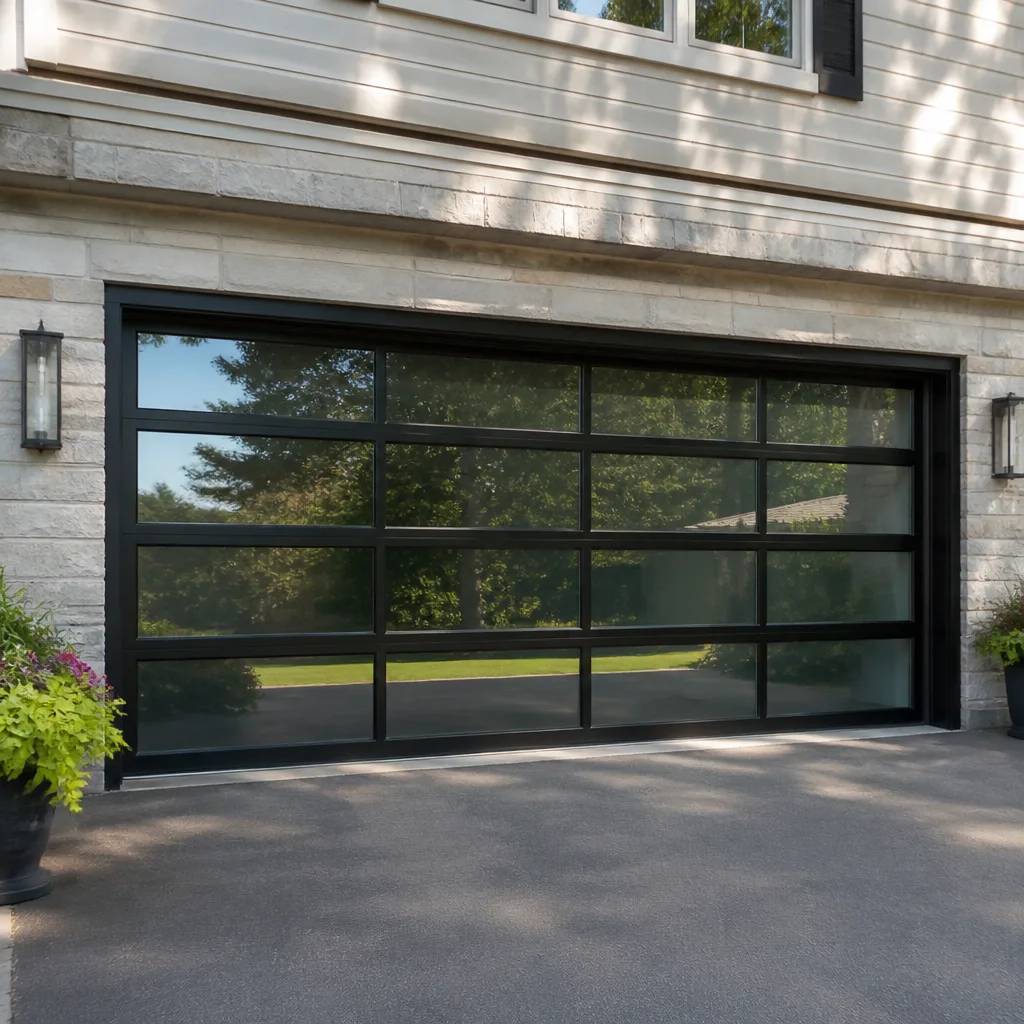 Full-view glass
 LiftMaster openers
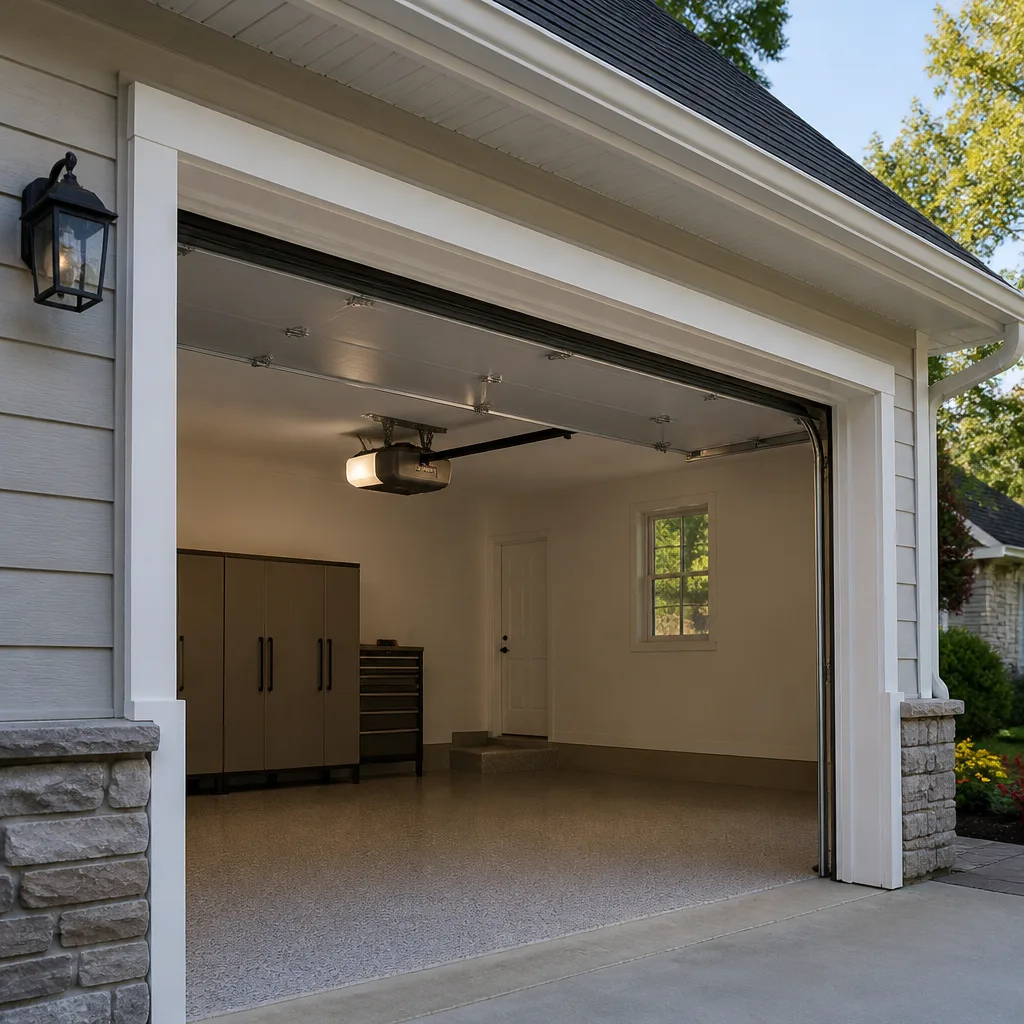 Chamberlain openers
Full 25-point door and opener safety check with every visit - springs, cables, rollers, tracks, and your LiftMaster or Chamberlain opener included
You get a price before we start. It does not change when the pro arrives.
Get your free estimateSeasonal Garage Door Care for Conroe: Year-Round Homeowner’s Guide
Most homeowners treat a garage door like a wall – it goes up, it comes down, and nobody thinks about it until it stops. That’s the misconception worth correcting first. A garage door is a moving machine with springs under extreme tension, dozens of hinges and rollers, a motorized opener, and a safety system that has to work every single time. In Conroe, our weather does more to that machine than most people realize: hot, humid summers, heavy spring and fall rain, and the occasional hard freeze. This guide walks through what to check each season, what wears out and when, and how to tell the difference between a fifteen-minute maintenance task and a job that calls for a technician.
Quick Answer
Garage door care in Conroe follows the seasons: spring is for checking balance, rollers, and weather seals after the rainy months; summer is for lubrication and testing the opener’s safety reverse under heat stress; fall is for tightening hardware and inspecting springs before the mild winter; winter is the easiest season and the best time to plan any replacement. The single most valuable habit is a monthly visual check of springs, cables, and rollers, followed by a yearly balance test.
Styles & brands we work with
- Raised-panel steel
- Carriage house
- Modern flush
- Full-view glass
- LiftMaster openers
- Chamberlain openers
Table of Contents
- Why Conroe’s Climate Is Hard on Garage Doors
- The Monthly Five-Minute Check
- Spring Seasonal Care: After the Rain
- Summer Care: Heat, Humidity, and Your Opener
- Fall Care: Tightening Before Winter
- Winter Care: Planning and Inspection
- The Lubrication Guide
- The Two Safety Tests Every Door Needs
- When to Call a Professional
Why Conroe’s Climate Is Hard on Garage Doors
Conroe sits in southeast Texas, where the summer heat and humidity are the dominant forces acting on a garage. A steel door baking in direct afternoon sun on a west-facing driveway can get hot enough that the metal expands slightly – enough that a door that ran quietly in March starts rubbing a roller or sounding a little tighter by August. Wood and wood-composite doors move even more, swelling in wet months and shrinking when the air dries out.
Humidity matters just as much. Conroe’s wet stretches keep the steel panels of most doors in a steady cycle of condensation and evaporation, which is exactly what rust needs to start along the bottom edge and the panel seams. Hinges and rollers that dry out lose their grease faster in humid air, and that’s when a door starts to squeal or grind.
Our winters are mild – this is not a climate that punishes a garage door with snow load or a deep frost line. But mild doesn’t mean nothing happens. A hard freeze now and then can stiffen lubricant and make a marginal spring show its age, and it’s often the first cold morning after a freeze that a tired spring finally lets go.
One more local factor: the Gulf-facing storm season. Most Conroe garage doors are the largest opening in the house, and if your home has a wind-rated door or a reinforced track system, that hardware needs to stay in good condition to do its job. Inspecting the door after a major storm is part of seasonal care here, not an afterthought.
The Monthly Five-Minute Check
You don’t need tools for this, and you don’t need to touch anything dangerous. A quick monthly walk-around catches most of the problems that turn into repair calls. Do it with the door closed first, then again with it open.
- Look at the springs. With the door closed, look above the door along the horizontal shaft. Torsion springs should be a clean, even coil with no visible gap. If you see a clear separation in the coil, that spring has broken – stop using the door and call.
- Check the cables. The thin steel cables run down each side. They should be straight and tight, not frayed, kinked, or dangling loose. A slack cable on one side is a sign something has failed.
- Scan the rollers. Rollers should spin freely and look intact. A cracked nylon roller or a wobbly steel one will chew up the track over time.
- Run a hand along the bottom seal. The rubber weather seal along the bottom edge should be pliable and make contact with the floor. If it’s cracked, hard, or leaving a gap, it’s letting in water, heat, and pests.
- Look for rust and paint wear. Pay attention to the bottom panel and the seams. Small rust spots are easy to treat early.
- Listen. Open and close the door once and just listen. A steady, even hum with a smooth roll is normal. Banging, grinding, squealing, or a door that jerks are all early warnings.
That’s it. Five minutes once a month, no ladder, no tools, nothing to unscrew. If something looks wrong, note it and call – don’t try to adjust a spring or cable yourself.
Spring Seasonal Care: After the Rain
Spring in Conroe means heavy rain, and rain is when water finds every small gap. This is the season to check the things water touches – seals, the door’s bottom edge, and the hardware that sits low on the door.
Start with the bottom seal and the threshold. If water is pooling at the garage floor after a storm, the seal is either worn out or the threshold isn’t making contact. Both are fixable, and fixing them now keeps moisture out of the garage through the summer, when the humidity alone would do the same damage more slowly.
Next, check the door’s balance. Disconnect the opener (most have a pull cord or a release lever – the owner’s manual shows where) and lift the door halfway by hand. It should stay put at roughly the halfway point. If it wants to fall open or slam closed on its own, the springs are out of adjustment or losing tension, and you should reconnect the opener and call a technician rather than keep testing. A door that isn’t balanced is working its opener harder than it should, and that’s how openers fail early.
Spring is also a good time to look at the door from across the street, not up close. Standing back lets you see sagging panels, a tilt that isn’t square, or one side that sits lower than the other. Panel misalignment often starts as a hinge issue and gets worse.
Finally, if your door has any wind-rating reinforcement – extra struts, a heavier track, or specific bracing – the storm season is the time to confirm all of it is intact and properly fastened. If you’re not sure what you’re looking at, a professional inspection will tell you in a few minutes.
Summer Care: Heat, Humidity, and Your Opener
Summer is when the opener earns its keep and when most of the small maintenance gets skipped because it’s too hot to stand in the garage. Do it early in the morning and it’s a ten-minute job.
Heat is hard on openers. A motor in an uninsulated garage in a Conroe summer runs warm to begin with, and if the door is binding, the opener strains harder than it should. That’s why lubricating the moving parts matters more in July than in January. A door that rolls smoothly puts less load on the motor.
Summer is also the best time to test the two safety features every door should have (more on both below): the auto-reverse on obstruction and the photo-eye safety beam. Sunlight can interfere with older photo-eye sensors, and a misaligned or dirty lens will make a door stubborn or unreliable.
Check the opener’s force setting, too, if your manual shows how. Openers have an adjustable limit on how hard they push, and if a door has gotten tighter over a year of wear, the opener may be working right at the edge of its setting. A professional can reset it properly and confirm the door isn’t straining.
If your opener is a smart-home model from LiftMaster or Chamberlain, summer is also a good time to check the app diagnostics – many report a door that’s forced to reopen or an opener that’s running longer than usual. Those are early warnings, not things to ignore.
One habit worth building in summer: if you have a metal door facing the afternoon sun, park with your windows up and let the door cool before you wash it. Spraying cold water on hot steel isn’t great for the finish.
Fall Care: Tightening Before Winter
Fall in Conroe is mild and dry, which makes it the easiest season to get ahead of problems. It’s also the season to walk the door with a screwdriver and a socket set (on the hinges and brackets, never the springs) and tighten what’s worked loose over the summer.
- Tighten the hinge, bracket, and track bolts. Use hand tools only. Don’t over-tighten; snug is enough. A bolt that’s slowly backed out over a year is a common cause of a door that rumbles.
- Check the track alignment. Run a hand down each track from top to bottom – it should feel straight and even. A bent section usually shows as a spot where the door slows or hesitates.
- Inspect the springs again. Fall is when you want a clear look at both the torsion springs above and any extension springs on the sides. If either shows wear, now is the time to plan a replacement, not wait for a cold morning.
- Lubricate the moving parts. Use a garage-door-specific lubricant on hinges, rollers, and the spring coils themselves – see the lubrication section for what not to use.
- Check the weather seal again. Fall is your last good chance before winter to replace a seal that’s going to let cold air and pests in.
- Look up at the ceiling brackets. The opener’s ceiling bracket and rail should be secure. Sagging hardware is a fall repair, not a winter surprise.
If the door has a manual lock or a slide bolt, check it operates cleanly now, before you’re trying to open it in a hurry.
Winter Care: Planning and Inspection
Conroe’s winters are mild, so there’s no winterizing ritual to speak of – no snow to clear, no ice to chip. The main job is inspection and planning. Cold mornings sometimes reveal a tired spring or stiff lubricant, and the first genuinely cold day is often when a marginal component gives up.
Winter is the best season to plan a replacement. If the door is older, the panels are showing rust along the bottom edge, or you’ve been putting off a repair, the mild months are the practical window for scheduling a full replacement. A new door has to be measured, ordered, and fitted, so this isn’t a same-day project – it’s planned work.
It’s also a good season to think about whether your current door still fits your home. A new insulated door can change how warm the garage stays in summer as much as in winter, and it changes the look of the front of the house. If your garage faces the street, this matters more than people expect.
One winter check worth doing: after the first cold morning, open and close the door a couple of times and listen. If a door that’s been fine all year sounds tight or slow, either the lubricant has stiffened (lubricate and re-check) or a spring is losing tension (call a technician). Don’t assume a cold-weather stiff spot is normal.
Winter is also the season when people notice their weather seal has failed, because cold air is easier to feel than warm. Replace it now and it’s done before the spring rains.
The Lubrication Guide
Lubrication is the most misunderstood part of garage door care. Doing it right once a season is worth more than doing it wrong every month because the wrong product can actually make things worse.
What to lubricate:
- The hinges – a drop on each hinge’s pivot point.
- The rollers – a light coat on the roller stems, not the track itself.
- The torsion spring coils – a proper garage-door lubricant helps reduce friction between coils.
- The opener’s chain or belt – follow the opener manual for the right product.
What not to use: Don’t use WD-40 as a lubricant. It’s a great solvent and a terrible long-term lubricant for a garage door, and it will strip the existing grease out of the rollers and hinges. Don’t use cooking spray, motor oil, or general-purpose grease. Use a garage-door-specific spray or a lithium or silicone lubricant made for this job.
If your opener is a belt-drive model, some people over-lubricate the belt thinking it’ll be quieter – don’t. Follow the manual. Same for any opener with a branded maintenance guide, whether it’s a LiftMaster, Chamberlain, or Genie unit.
Do this once a season. In Conroe, the humidity means the grease wants refreshing more often than it would in a dry climate, so if you hear a squeak before the season comes around again, it’s due.
The Two Safety Tests Every Door Needs
Two tests cover the two ways a garage door can hurt someone: it comes down on something (or someone), or it fails to reverse. Run both every month, and any time you’ve adjusted anything on the door or opener.
- The balance test. With the door closed, disconnect the opener. Lift the door by hand to about the halfway point. Let go. A properly balanced door stays roughly where you left it. A door that falls is being held up by the springs alone, and it needs a technician to check the springs.
- The reverse test. Open the door, then close it while holding a solid object (a 2×4 laid flat works) in the door’s path near the floor. The door should reverse on contact. If it doesn’t, that’s the door’s automatic safety feature, and it’s not optional.
The photo-eye safety beam is a separate check. With the door open, look at the two sensors on either side of the door opening near the floor. They should be lit and aligned with each other, and the lens clean. Then wave an object through the beam while the door is closing – the door should reverse. If the sensors are dirty or misaligned, clean and adjust them. If they’re damaged or won’t stay aligned, call.
Safety note: the springs, cables, and the spring shaft are the dangerous parts of this machine. A torsion spring is under extreme tension and can cause a serious injury if it’s adjusted, unwound, or removed without proper training and tools. We know this because spring repair is a named, dedicated service for us, and we don’t treat it as something a homeowner should attempt. If a spring looks wrong, a cable is loose, or a door won’t balance, call a technician.
If you’re near Conroe and want a second opinion on what’s safe to touch and what isn’t, Conroe Garage Door Repair Pros handles this work daily.
Common Mistakes to Avoid
- Ignoring a slow or grindy door. A door that’s started to rumble or slow down is usually telling you a roller or a bearing is failing. Fixing that is small; waiting for it to seize and bend a track is not.
- Trying to adjust a spring yourself. This is the one that sends people to the emergency room. Springs, cables, and the spring shaft require specialized tools and training. If you hear a loud pop from the garage, don’t open the door again until a technician looks at it – and never try to remove or adjust a spring.
- Using WD-40 to quiet a squeak. It works for a day. Then the grease is stripped out and the squeak is worse. Use a proper garage-door lubricant.
- Using a standard light bulb in a garage opener. Opener vibration kills standard bulbs and some can’t handle the opener’s heat. Follow the manual for the right type.
- Forgetting the bottom seal. It’s the cheapest part on the door and does the most work. In Conroe’s humidity, a failed seal lets moisture, pests, and heat into the garage every day until it’s replaced.
- Waiting until a storm has already blown through. After a large storm, check the door and track for debris, a shifted panel, or a track that’s been pushed out of line. A small fix then beats a larger one later.
- Assuming the door doesn’t need the balance test. Most people have never done it. It’s the fastest way to know if your springs are healthier than they look.
See the difference
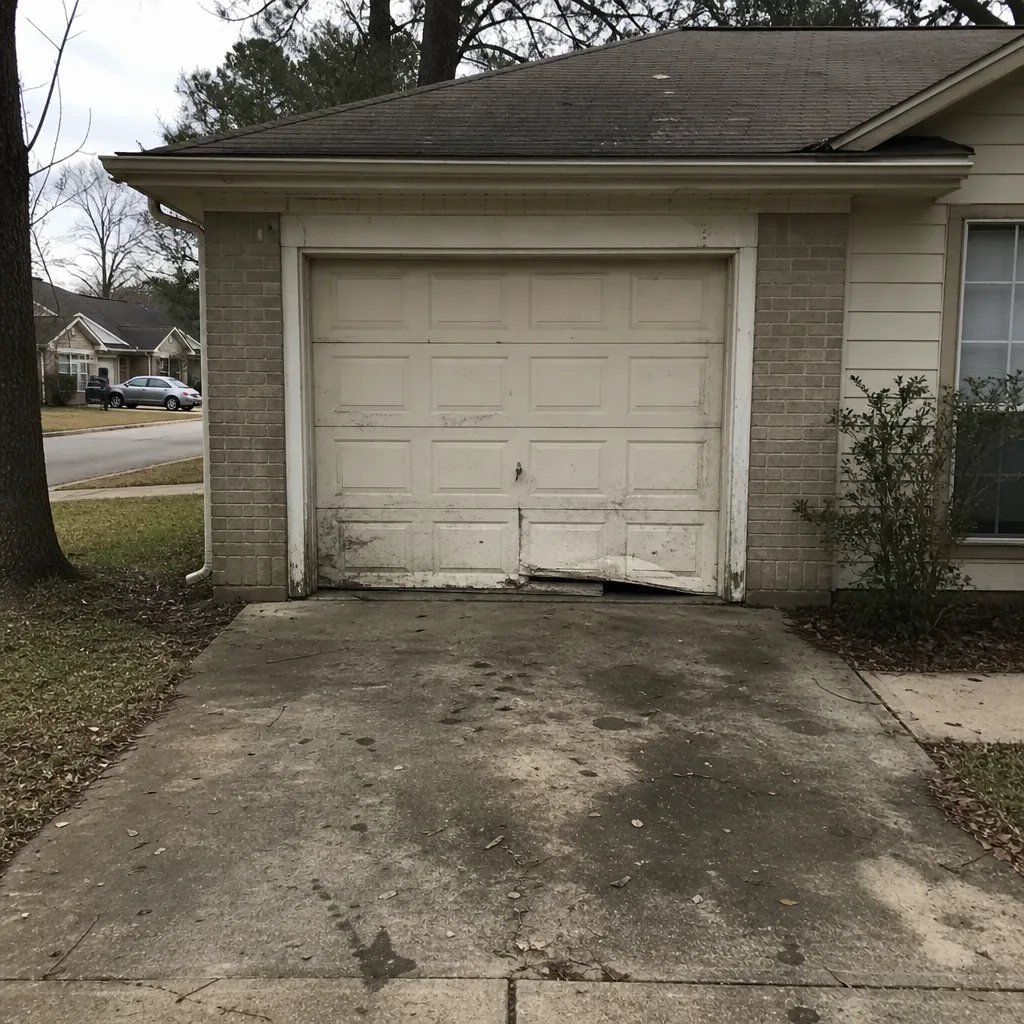 Before
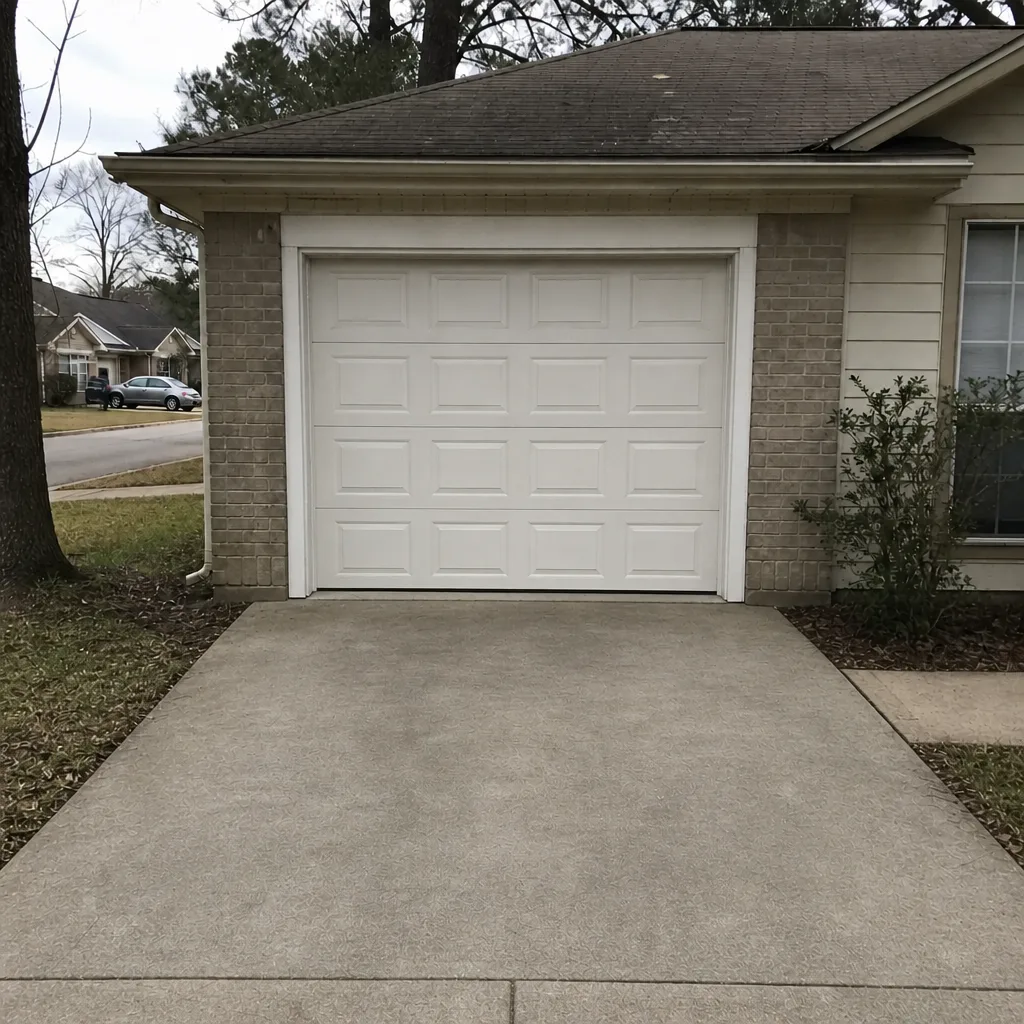 After
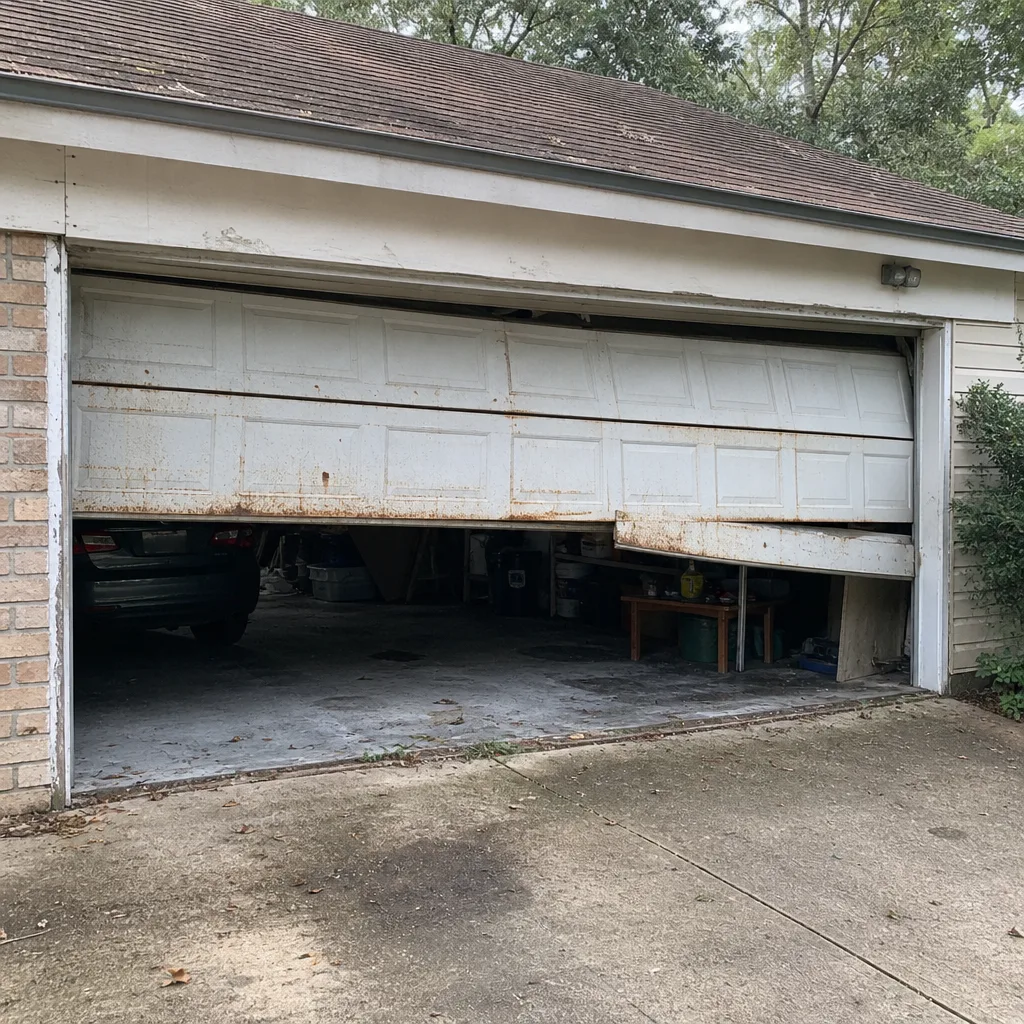 Before
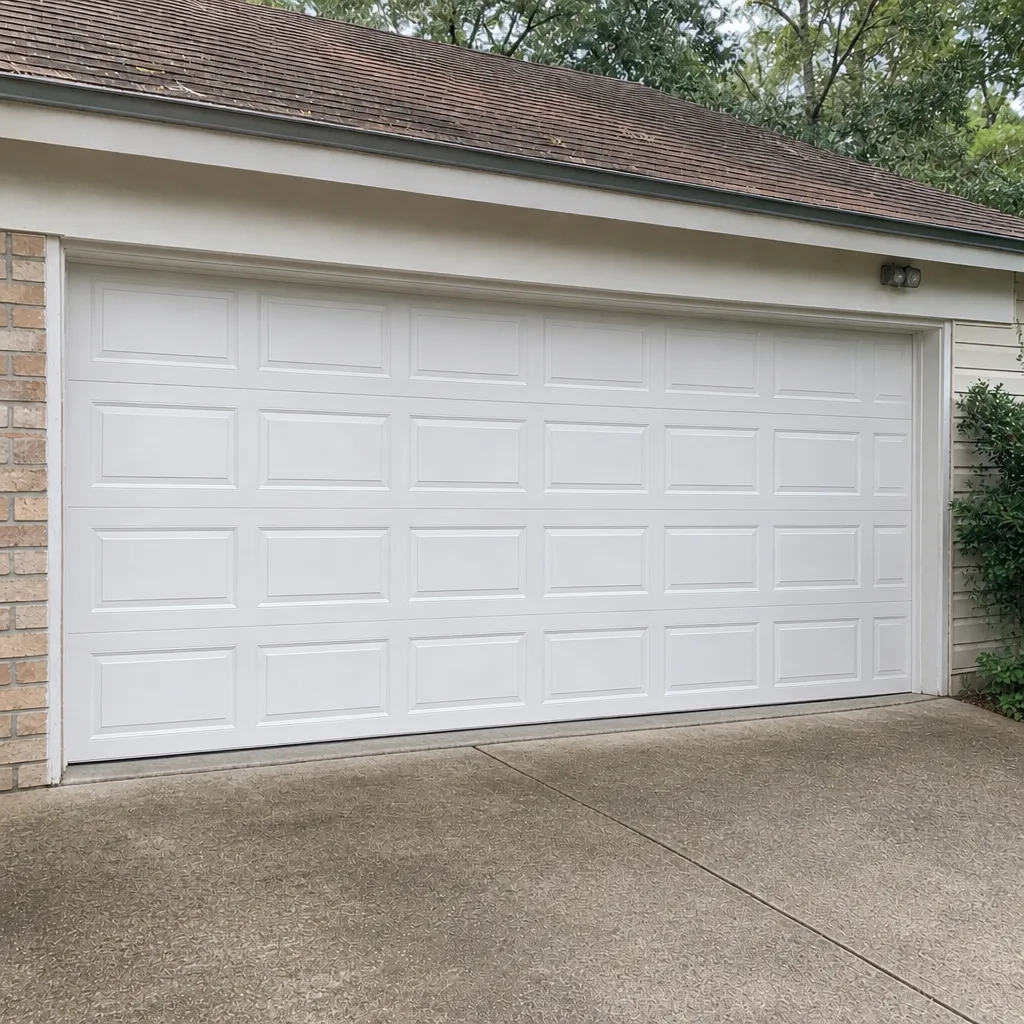 After
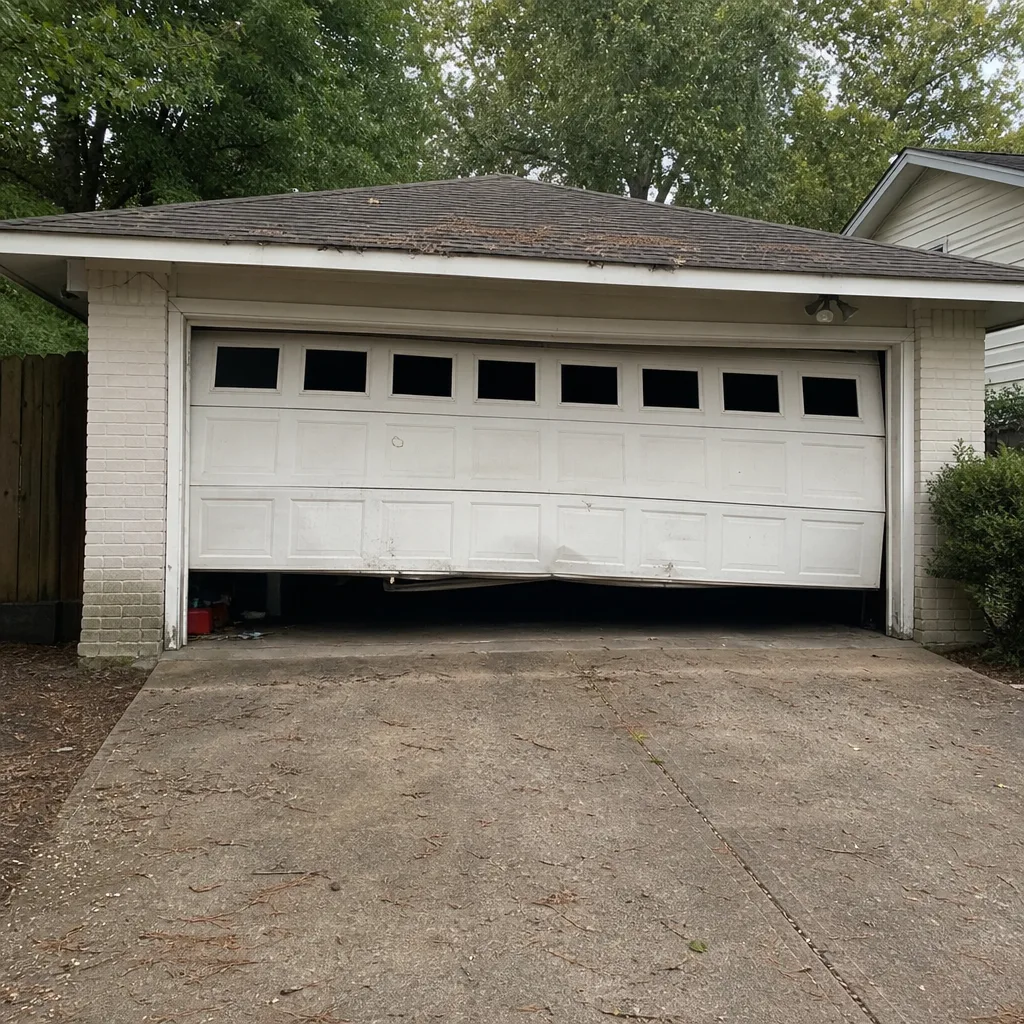 Before
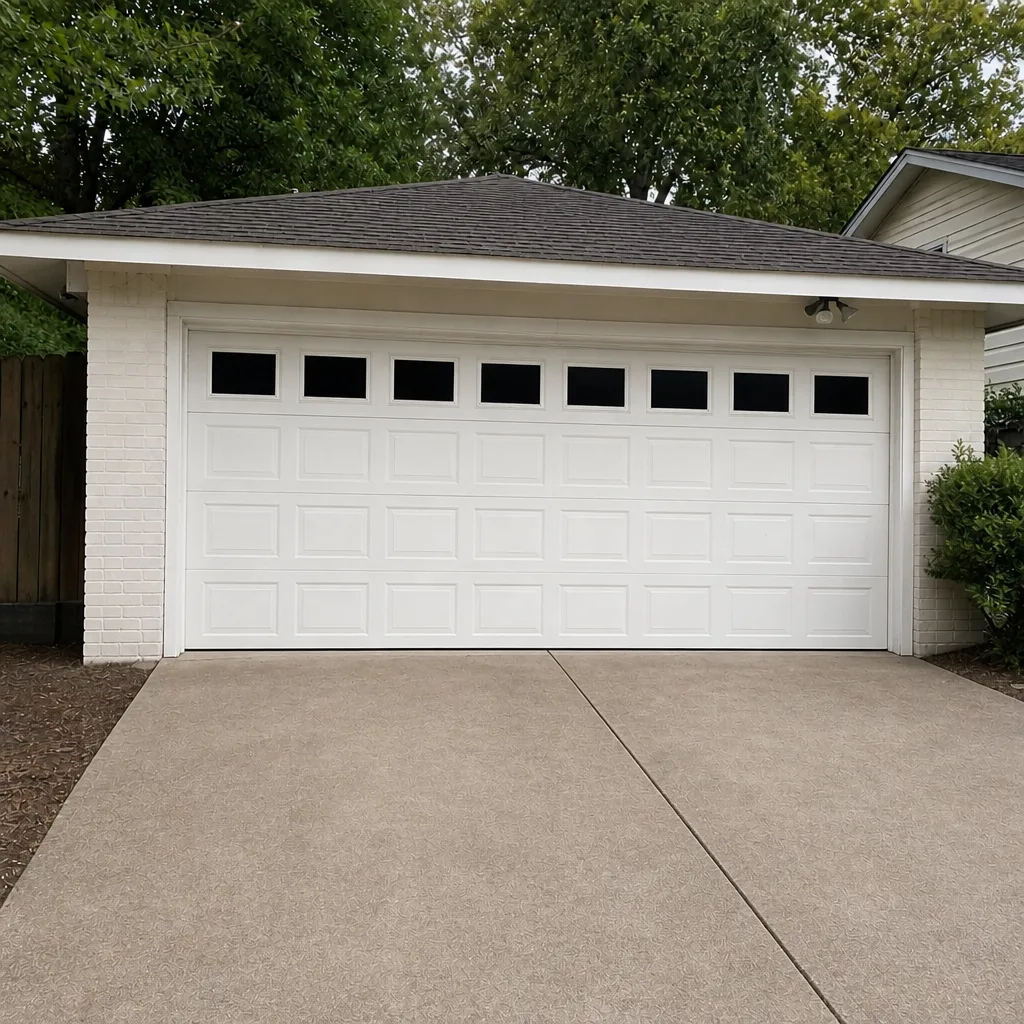 After
When to Call a Professional
Call a professional for any spring, cable, or spring-shaft issue – full stop. Those are the dangerous components, and no amount of monthly maintenance makes them a DIY project. Call for a door that fails the balance test, a visibly broken spring, a cable that’s slack or frayed, a door that won’t reverse on obstruction, a bent track, or a panel that’s separating from the rest of the door.
Call an opener specialist if your opener is older, if it’s straining to lift the door, if it runs but doesn’t move the door, or if the safety sensors won’t stay aligned and the door keeps reversing for no reason. Smart-home openers from brands like LiftMaster and Chamberlain have their own diagnostics and setup, and a technician who works with that hardware every day can usually tell you in a few minutes whether it’s a repair or a replacement.
And call if you’re planning a full replacement. A new door needs to be measured to fit and ordered, and the whole job is scheduled work, not same-day work.
Conroe Garage Door Repair Pros offers free estimates in Conroe – call (877) 362-9173.
Frequently Asked Questions
Once a month, do a five-minute visual check of springs, cables, rollers, and the bottom seal. Once a season, lubricate the hinges and rollers. Once a year, do the balance test and have a professional look at the springs and opener. That’s enough for most doors in this climate.
The springs. They’re the component that carries the door’s weight, and they’re the one part of the door you should never adjust yourself. Check them visually each month – a visible gap in the coil or a coil noticeably out of shape is a reason to stop using the door and call a technician.
No. WD-40 will quiet a squeak temporarily, but it strips the grease out of the rollers and hinges and makes the problem worse. Use a garage-door-specific lubricant or a lithium or silicone spray made for this job.
It definitely puts more stress on it. Heat expands metal panels and makes a tight door tighter, humidity drives rust along the bottom edge and seams, and an opener has to work harder in an uninsulated garage. Regular lubrication and an annual inspection go a long way toward offsetting that.
Some stiffness on a cold morning is normal because lubricant thickens. What’s not normal is a door that takes two tries, sounds different, or stays stiff after a few cycles. If it doesn’t loosen up, or if the door feels like it’s losing balance, have it checked – a spring that’s fading shows up first on the coldest morning.
If a single panel is dented, a track is bent, or a spring or opener is damaged, a repair usually makes more sense. If the door is older, the panels are rusting along the bottom, or the damage is spread across the door, it’s worth pricing a replacement. Both options are things we can look at on the same visit – call (877) 362-9173 for a free estimate.
The Bottom Line
Seasonal garage door care in Conroe comes down to a handful of habits: a five-minute visual check each month, a balance and safety test each year, lubrication once a season, and a clear eye on the springs. Our mild winters don’t require much, but our humid summers and heavy spring rain do. The parts that fail are almost always the parts that were flagging for weeks before they failed. Monthly checks catch those early. And when it’s a spring, a cable, or the spring shaft – leave it to a technician. That’s exactly the work Conroe Garage Door Repair Pros specializes in, alongside opener repair and full installation. Call (877) 362-9173 for a free estimate. We answer 24/7. Fast dispatch from 7am to 7pm, Sunday through Friday.
Written by the team at Conroe Garage Door Repair Pros.